In the high-stakes world of healthcare, where a fraction of a millimeter can determine surgical success, Computer Numerical Control (CNC) machining has become indispensable. This technology is the cornerstone of manufacturing for a vast range of medical devices, from life-saving implants to intricate surgical tools. By merging digital precision with material science, CNC machining transforms medical-grade materials into components that meet the extraordinary demands of reliability, safety, and biocompatibility required in modern medicine.
This deep dive explores how CNC machining shapes the future of healthcare, enabling innovation in patient treatment, surgical accuracy, and personalized care.
Core Applications: Where CNC Machining Makes a Difference
CNC machining’s versatility allows it to serve multiple critical branches of medical device manufacturing.
1. Surgical Instruments and Tools
Modern surgery relies on instruments of exceptional precision and reliability. CNC machining manufactures everything from standard scalpel handles and forceps to highly specialized tools. For instance, orthopedic surgery requires specific instruments like hip reamers, bone rasps, and bone drills for joint replacement procedures. The shift toward minimally invasive surgery has also increased demand for complex, small-diameter tools, which CNC machines produce with consistent accuracy.
A significant trend is the move from reusable to disposable, single-use instruments to eliminate infection risk. This shift demands high-volume, cost-effective manufacturing without sacrificing quality—a challenge perfectly suited to automated CNC production lines.
2. Implants and Prosthetics
This is one of the most demanding applications. Implants like artificial hips, knees, spinal cages, and dental fixtures must integrate seamlessly with the human body. They are subject to tremendous mechanical stress and must be crafted from biocompatible materials like titanium or cobalt-chromium alloys.
CNC machining excels here by creating the complex, organic geometries of these implants with smooth surfaces that promote bone ingrowth. Crucially, CNC enables personalized medicine. Using a patient’s CT scan data, manufacturers can design and machine a custom hip joint stem that perfectly matches the individual’s unique bone cavity, dramatically improving fit and long-term stability.
3. Diagnostic and Medical Equipment
The accuracy of diagnostic devices depends on the precision of their internal components. CNC machining produces critical parts for MRI and CT scanners, blood analyzers, ventilators, and patient monitors. This includes everything from robust equipment housings and enclosures to delicate sensor mounts and optical positioning stages that require sub-micron accuracy. The reliability of these machines, often used in life-supporting roles, is fundamentally built on the precision of their CNC-machined parts.
4. Enabling Tools: Surgical Guides and Prototypes
Beyond final devices, CNC plays a vital supporting role. Patient-specific surgical guides are a prime example. These are tools, often made from medical-grade stainless steel via CNC, that fit a patient’s unique anatomy. They guide a surgeon’s drill or saw during procedures like dental implant placement or tumor resection, translating a digital surgical plan into perfect physical execution with unparalleled accuracy.
Furthermore, CNC machining is essential for rapid prototyping of new medical devices. It allows engineers to quickly produce functional prototypes from the exact materials intended for final use, accelerating development cycles and design validation before mass production.
The Technology Behind the Precision: Specialized CNC for Medicine
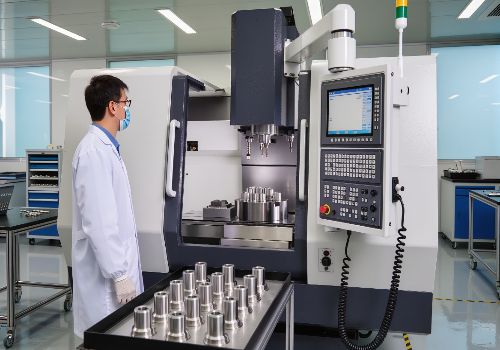
Medical manufacturing doesn’t use standard machine shops; it employs specialized CNC technologies and environments to achieve its extreme requirements.
Key CNC Technologies in Medical Manufacturing
| Technology | Primary Use in Medical Manufacturing | Key Benefit |
|---|---|---|
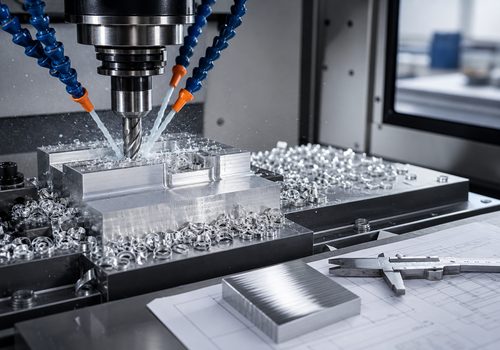
| 5-Axis Machining Centers | Complex implants (hips, knees, spinal), surgical tools | Creates intricate, contoured geometries in a single setup for supreme accuracy. |
| Multi-Axis Mill-Turn Centers | Bone screws, small orthopedic parts, connector components | Combines turning and milling in one machine, ideal for complex, small parts. |
| Swiss-Type Lathes | Long, slender components like bone screws, pins, and catheter parts | Exceptional precision for high-volume production of tiny, delicate parts. |
| CNC Grinding Machines | Cutting edges on surgical blades, ultra-smooth finishes on implant surfaces | Achieves the finest surface finishes and sharpest edges on hard materials. |
Material Expertise and Biocompatibility
The choice of material is a critical safety decision. CNC medical machining specializes in handling advanced, biocompatible materials:
-
Titanium (Ti-6Al-4V): The gold standard for implants due to its strength, light weight, and excellent biocompatibility.
-
Medical-Grade Stainless Steel (e.g., 316L): Used for non-permanent implants and countless surgical instruments for its corrosion resistance and sterilizability.
-
Cobalt-Chromium Alloys: Extremely wear-resistant, making them ideal for bearing surfaces in joint replacements.
-
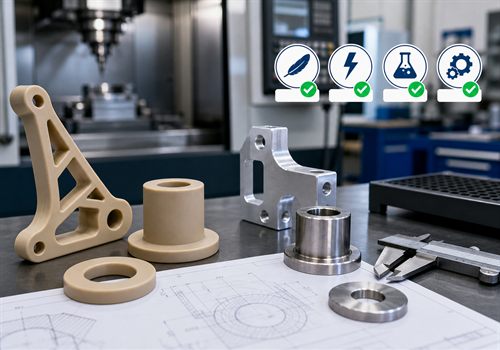
Engineering Plastics (PEEK): A high-performance plastic used for trauma implants and surgical tools, valued for being radiolucent (transparent to X-rays) and similar to bone in stiffness.
The Uncompromising Pursuit of Quality
Medical CNC occurs in a controlled ecosystem designed to eliminate error:
-
Cleanroom Manufacturing: Many components, especially implants, are machined in ISO Class 7 or 8 cleanrooms to prevent particulate contamination.
-
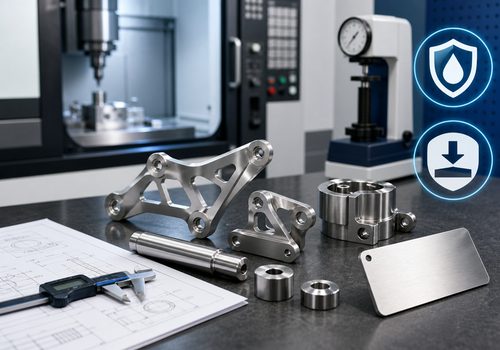
Rigorous In-Process Inspection: Advanced metrology, including Coordinate Measuring Machines (CMMs) and laser scanners, verifies dimensions in real-time, often with data fed back to the CNC for automatic correction.
-
Full Traceability: Strict documentation tracks every component from raw material batch to finished part, a requirement for certifications like ISO 13485 (Medical Devices) and FDA compliance.
The Future and How to Engage with It
The trajectory points toward greater integration and intelligence. AI and machine learning are beginning to optimize CNC tool paths and predict tool wear automatically. Hybrid manufacturing, which combines CNC machining with 3D printing (additive manufacturing), is opening new frontiers. This allows for the creation of implants with porous, bone-like internal structures for better integration, topped with a CNC-machined, perfectly smooth bearing surface.
Choosing a Medical CNC Manufacturing Partner
If your work involves developing medical devices, selecting the right manufacturing partner is crucial. Look for a machine shop with:
-
Proven Medical Industry Experience and relevant quality certifications (ISO 13485).
-
Advanced Technical Capabilities, including 5-axis, mill-turn, and cleanroom facilities.
-
Expertise in Medical Materials and a deep understanding of biocompatibility and post-processing like passivation and cleaning.
-
A Robust Quality Management System that ensures full traceability and compliance.
Conclusion: Precision as a Foundation for Health
CNC machining is far more than a manufacturing process in the medical field; it is a critical enabler of modern healthcare advancements. By providing unmatched precision, material flexibility, and rigorous quality assurance, it forms the reliable foundation upon which innovative implants, life-saving instruments, and accurate diagnostic devices are built.
As medicine continues to advance toward greater personalization and minimally invasive techniques, the role of CNC machining will only grow in importance, continuing to turn groundbreaking medical designs into tangible realities that improve and save patient lives.
Ready to produce your medical device parts? Contact us, please share the drawing and detail requirements, we are willing to quote for your reference.