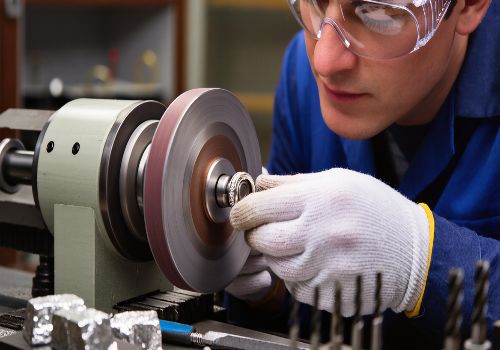
Introduction: The Heartbeat of Your CNC Machine
In the world of precision manufacturing, your CNC machine’s performance hinges on components you rarely see: its belts and bearings. These are the critical, unsung heroes of motion control, responsible for transferring power from motors to spindles and ensuring the smooth, accurate movement of axes. Unlike a catastrophic tool breakage, the failure of a belt or bearing is often a silent killer—a gradual degradation that introduces error, vibration, and wear until it culminates in costly downtime or irreparable damage to more expensive components like spindles and ball screws.
Understanding when and why to replace these components is not just maintenance; it’s a strategic investment in your machine’s accuracy, productivity, and longevity. This guide will equip you with the knowledge to identify warning signs, implement a proactive schedule, and execute replacements before failure impacts your bottom line.
Part 1: Recognizing the Symptoms of Failure
Waiting for a component to break completely is the most expensive maintenance strategy. Proactive operators monitor for these key symptoms:
Auditory and Visual Cues
-
Unusual Noises: This is the most common indicator. Listen for squealing, chirping, or grinding from belts, which often signals misalignment, wear, or loss of tension. For bearings, a humming, rumbling, or high-pitched whine that changes with spindle speed is a classic sign of brinelling (indentations) or pitting fatigue.
-
Visible Wear on Belts: Regularly inspect belts for:
-
Cracking or Glazing: On the ribbed side (cogged belts) or smooth side.
-
Material Transfer: A shiny, hardened appearance where the belt has overheated.
-
Missing Cogs or Frayed Edges.
-
-
Vibration and Chatter: Excessive vibration felt through the machine or seen as poor surface finish on your parts is a primary symptom. Worn bearings create play, while slipping belts cause inconsistent motion, both translating into chatter marks.
Performance Degradation
-
Loss of Precision and Repeatability: If your machine begins to lose position, shows dimensional drift, or cannot hold tight tolerances, worn bearings or stretched belts are likely culprits. They introduce backlash and positional error.
-
Overheating: Bearings that are failing due to lack of lubrication or excessive preload will generate significant heat. You may feel abnormal warmth in the spindle housing or motor.
-
Increased Power Draw: A motor struggling to drive against the friction of a failing bearing or a slipping belt will often draw more amperage, which may be visible on machine diagnostics.
Part 2: Belt-Specific Diagnostics & Replacement Triggers
Belts are the tendons of your CNC, and their failure is often more gradual and predictable.
Table: CNC Belt Failure Modes and Causes
| Symptom | Likely Cause | Implication |
|---|---|---|
| Squealing on Startup/Acceleration | Loss of tension, misalignment, or glaze. | Slipping under load, causing lost steps and poor finish. |
| Visible Cracks (Back of Belt) | Normal aging and flex fatigue. | Belt is at end of service life; imminent failure risk. |
| Glazed/Shiny Sidewalls | Slipping and overheating. | Significant loss of grip; replacement needed immediately. |
| Worn/Missing Cogs | Severe misalignment or overload. | Catastrophic failure is near; will jump teeth. |
Replacement Rule of Thumb for Belts: Even with perfect maintenance, belts are consumables. A general industry guideline is to consider replacement every 2-3 years under normal use, or after 10,000 – 15,000 machine hours. Always replace matched sets in multi-belt drives, never just one.
Part 3: Bearing-Specific Diagnostics & Replacement Triggers
Bearings are the joints of your machine. Their failure is critical and can cause cascading damage.
Understanding Bearing Failure Modes:
-
Fatigue (Spalling): The most common mode. Repeated stress cycles cause material on the raceways or rolling elements to flake off. You’ll hear a consistent rumble or grind.
-
Brinelling: Static indentations on raceways caused by shock loads or improper installation. Creates permanent vibration.
-
Contamination: Dirt, chips, or coolant ingress abrade surfaces. Leads to rapid wear and a gritty grinding noise.
-
Lubrication Failure: Without proper grease or oil, bearings overheat and seize. This often leads to a total lockdown of the spindle or axis.
When to Intervene: Unlike belts, there’s no simple hour-based schedule for all bearings. Spindle bearings, which run at high speeds and loads, may have a recommended replacement interval from the manufacturer (e.g., every 15,000-20,000 hours). Axis drive bearings typically last longer. The decision must be symptom-driven. The moment you confirm bearing-related vibration or noise through diagnosis, replacement should be scheduled.
Part 4: The Proactive Approach: Preventive Maintenance Schedules
The best practice is a blend of condition-based monitoring and scheduled checks.
Daily/Operator Checks:
-
Listen for new or unusual sounds during warm-up and operation.
-
Perform a simple “hand test” on spindle housings (when safe) to check for abnormal heat.
Weekly/Monthly PM Tasks:
-
Visual Belt Inspection: Check for cracks, glazing, and alignment.
-
Belt Tension Check: Use a tension gauge per the machine manual. Belts should not deflect excessively under thumb pressure.
-
Cleanliness: Keep areas around belts and bearing housings free of debris and coolant mist, which can accelerate wear.
Semi-Annual/Annual PM Tasks:
-
Detailed Bearing Inspection: Using a stethoscope or vibration analysis tool to monitor bearing condition.
-
Alignment Verification: Check pulley and motor alignment for belt-driven systems.
-
Review Machine Accuracy: Use ballbar analysis or laser interferometry to trace positional errors back to potential mechanical wear in bearings or ball screws.
Part 5: Step-by-Step Guide to Replacement
Disclaimer: Major bearing replacement, especially in spindles, is a job for qualified technicians. Incorrect installation can destroy a new bearing in minutes. The following is a general guideline.
For Belt Replacement:
-
Lock Out/Tag Out (LOTO): Electrically isolate the machine.
-
Access: Remove guards and covers to access the drive system.
-
Relieve Tension: Loosen the motor base or tensioning idler.
-
Remove Old Belt(s): Slide the belt off the pulleys. Inspect pulleys for wear or damage.
-
Install New Belt: Do not pry the belt on. Loosen tensioners fully, slide the belt on, then apply tension.
-
Set Tension: Use a proper tension gauge. An overtightened belt stresses bearings; a loose belt slips.
-
Check Alignment: Use a straightedge or laser alignment tool to ensure pulleys are perfectly parallel.
-
Reassemble and Test: Replace guards, perform LOTO reversal, and run the machine without load to verify smooth operation.
For Bearing Replacement (Spindle Example – Highly Simplified):
This is a complex, clean-room adjacent procedure. Key principles include:
-
Specialized Tools: Mandatory use of induction heaters for installation, hydraulic presses, and precision measuring tools.
-
Cleanliness: An immaculate environment is non-negotiable.
-
Preload Setting: This is critical. Spindle bearings are installed with a specific axial preload (often using calibrated spacers or hydraulic nuts) to control stiffness and heat generation. This requires expert knowledge and documentation.
-
Run-in Procedure: New spindle bearings require a controlled thermal run-in cycle to stabilize.
Conclusion: An Ounce of Prevention
Ignoring the signs of worn belts and bearings is a gamble with high stakes. The cost of a few hundred dollars for a belt set or a few thousand for a bearing replacement pales in comparison to the cost of:
-
Catastrophic Spindle Failure ($10,000 – $50,000+)
-
Lost Production during unscheduled downtime.
-
Scrapped Parts due to poor surface finish and lost accuracy.
Implement a disciplined regimen of listen, inspect, and measure. Document your findings and maintenance actions. By replacing belts and bearings proactively—guided by symptoms and preventive schedules—you preserve the precision of your CNC investment and ensure it continues to produce profitable, perfect parts for years to come.
Take Action This Week: Schedule 15 minutes to perform a visual and auditory inspection of your primary CNC machines. Your future self will thank you.