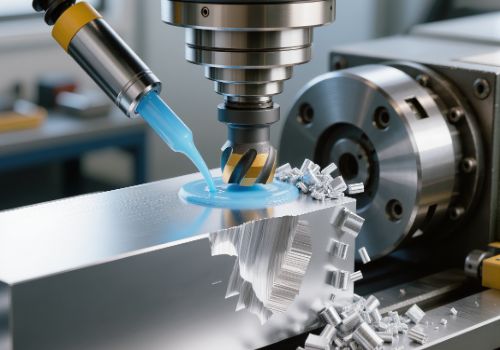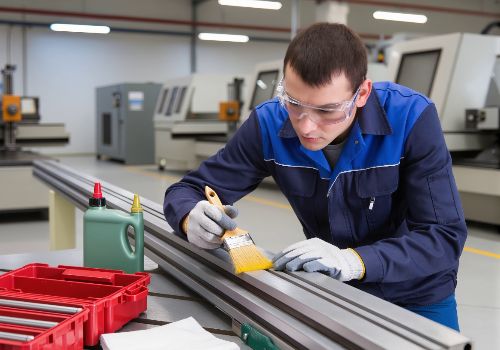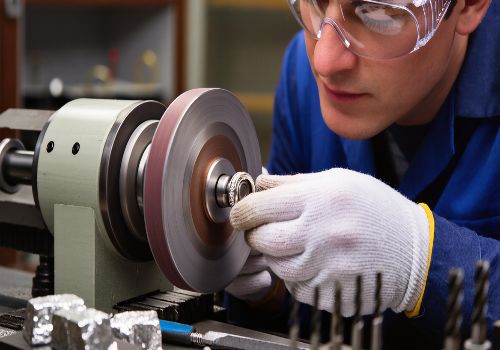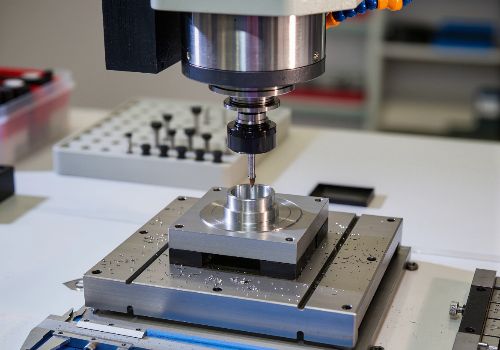
The fundamental difference between climb and conventional milling lies in the relationship between cutter rotation and workpiece feed direction. In climb milling (down milling), the cutter rotates in the same direction as the feed, creating a thick-to-thin chip that pulls the workpiece into the cutter. In conventional milling (up milling), the cutter rotates against the feed direction, creating a thin-to-thick chip that pushes the workpiece away. This seemingly simple distinction dramatically affects cutting forces, heat generation, tool life, surface finish, and machine requirements .
Introduction: More Than Just Direction
For machinists, both seasoned veterans and newcomers, few decisions are as fundamental as choosing between climb and conventional milling. It’s a choice made thousands of times daily in machine shops worldwide, yet its implications ripple through every aspect of the machining process—from the microscopic wear patterns on your cutting tools to the macroscopic quality of your finished parts.
Understanding this distinction isn’t just academic knowledge; it’s practical wisdom that directly impacts your bottom line. The wrong choice can lead to scrapped parts, broken tools, and damaged machines. The right choice extends tool life by up to 50%, improves surface finish, and maximizes productivity .
This comprehensive guide will walk you through everything you need to know about climb versus conventional milling, helping you make informed decisions for every machining operation.
Understanding the Fundamentals
Defining the Two Methods
Conventional milling, also called up milling, occurs when the cutter rotates against the direction of the workpiece feed. The cutting edge enters the material at minimum chip thickness and exits at maximum chip thickness .
Climb milling, also called down milling, occurs when the cutter rotates in the same direction as the workpiece feed. The cutting edge enters the material at maximum chip thickness and exits as the chip thickness decreases to zero.
Table: Quick Comparison of Climb vs Conventional Milling
| Factor | Climb Milling (Down Milling) | Conventional Milling (Up Milling) |
|---|---|---|
| Chip Formation | Thick → Thin | Thin → Thick |
| Force Direction | Pulls workpiece into cutter | Pushes workpiece away from cutter |
| Heat Generation | Lower; heat carried into chip | Higher; rubbing at entry generates heat |
| Surface Finish | Superior; cleaner shearing | Moderate; may show feed marks |
| Tool Life | Up to 50% longer | Shorter; entry wear concentrated |
| Machine Requirement | High rigidity, low backlash | Tolerates backlash, older machines |
| Best Application | Finishing, ductile materials | Roughing, hard/scale surfaces |
The Chip Formation Story
The geometry of chip formation is perhaps the most important difference between these two methods.
In conventional milling, the cutting edge enters the work at zero chip thickness. This means the tool must be forced into the cut, creating a rubbing or burnishing effect before actual cutting begins. This rubbing generates friction, high temperatures, and often contact with a work-hardened surface created by the preceding cutting edge .
In climb milling, the cutting edge engages the material at full thickness immediately. The chip starts thick and gradually thins to zero at exit. This thick-to-thin progression means the tool shears the material cleanly from the moment of engagement, with significantly less rubbing and friction .
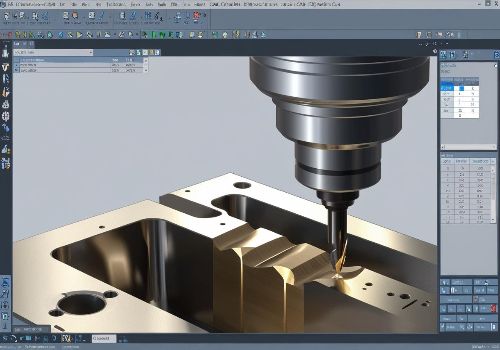
The Physics of Cutting Forces
Direction Matters
The direction of cutting forces has profound implications for your setup, workpiece stability, and machining accuracy.
In climb milling: The cutting forces pull the workpiece downward into the table and inward toward the cutter. This downforce simplifies workholding and fixtures—the cutter essentially helps hold the part in place. For thin floors or face milling operations, this downforce can actually help stabilize the part and reduce chatter .
In conventional milling: The cutting forces push the workpiece upward and away from the cutter. This creates a lifting effect that can be problematic for lightly clamped parts. The workpiece is essentially trying to climb up onto the cutter—hence the name “conventional” milling .
Heat Generation and Distribution
Heat management is critical in machining, and the two methods handle heat very differently.
In climb milling, the thick chip at entry carries away most of the cutting heat. The heat generated is concentrated on the rake face of the tool and evacuated with the chip, keeping both tool and workpiece cooler .
In conventional milling, the initial rubbing at zero chip thickness generates significant heat before cutting even begins. This heat concentrates at the tool edge and transfers into the workpiece. According to industry experts, there could be as much as 50% more heat generation when using conventional milling compared to climb milling, particularly problematic in exotic materials like titanium, Inconel, and stainless steels that work harden easily .
Power Consumption Patterns
The power consumption profiles of the two methods differ significantly.
Climb milling features an initial power spike as the tool engages at full chip thickness, followed by decreasing power consumption as the chip thins. This spike is short-lived and manageable on rigid machines .
Conventional milling shows a slow, steady climb in power consumption as the chip thickness increases throughout the cut. When averaged out, this gradual climb typically results in higher total power consumption than climb milling .
Tool Life and Wear Patterns
How Tools Wear
The wear patterns on cutting tools reveal the mechanical story of each cut.
In climb milling: Tool wear tends to be more uniform along the cutting edge. The consistent engagement and clean shearing action distribute wear evenly, reducing the risk of localized damage. Tools can last up to 50% longer with climb milling compared to conventional milling .
In conventional milling: Wear concentrates at the entry point where rubbing occurs. This localized wear can lead to edge chipping, built-up edge formation, and premature tool failure. The initial rubbing also creates tensile stresses that can accelerate crack formation .
Built-Up Edge Considerations
Built-up edge (BUE)—workpiece material that welds itself to the cutting edge—is more common in conventional milling. The rubbing action and heat generation create conditions favorable for material adhesion. This is particularly problematic when machining aluminum, stainless steel, and other “sticky” materials .
Climb milling’s clean shearing action and efficient heat evacuation significantly reduce the tendency for built-up edge formation, resulting in better surface finish and more predictable tool life.
The Backlash Problem: Why Manual Machinists Fear Climb Milling
Understanding Backlash
Backlash is the play or clearance between mating components in a mechanical system—specifically, the gap between the leadscrew and the nut that drives the machine table. Every machine has some amount of backlash, but modern CNC machines compensate for it electronically.
The danger with climb milling on machines with significant backlash is that the cutting forces pull the workpiece into the cutter. If the table can move by the amount of backlash, the workpiece can suddenly lurch forward, dramatically increasing chip load and potentially breaking the tool or damaging the part .
Quantifying the Risk
Consider this scenario: You’re running a 0.005″ chip load on a machine with 0.020″ of backlash. In a worst-case situation where the cutter grabs the workpiece, your effective chip load could momentarily spike to 0.025″—five times your intended value. This is almost certain to break the endmill and could send fragments flying dangerously .
For this reason, many shops prohibit climb milling entirely on manual machines. CNC machines, with their backlash compensation and rigid construction, are designed to handle climb milling safely.
Tool Deflection and Accuracy
Deflection Vectors
How the tool deflects under cutting forces affects dimensional accuracy differently in each method.
In conventional milling: The deflection force vector is more nearly parallel to the cut direction. This means the tool tends to deflect along the path of travel, which has less impact on the dimensional accuracy of features like walls and shoulders .
In climb milling: The deflection vector is nearly perpendicular to the cut. The tool tends to deflect into or away from the wall being machined, which can directly affect the width of cut and dimensional accuracy .
The Finish Pass Paradox
This deflection behavior creates an interesting paradox: while climb milling generally produces better surface finish due to cleaner shearing and less chip recutting, conventional milling can sometimes yield better results on finish passes when deflection is a concern .
If you’re machining thin walls or using long tools prone to deflection, a light conventional milling finish pass may produce superior results because the tool deflects parallel to the work rather than digging into or pulling away from the wall .
Some machinists use a “ghost pass” or “spring pass”—a finish pass in the conventional direction with minimal material removal—to achieve excellent surface finish while correcting any deflection errors from the climb roughing pass .
When to Choose Conventional Milling
Despite the many advantages of climb milling, conventional milling remains valuable in specific situations.
Rough Surfaces and Scale
When machining hot-rolled steel, castings, or any material with a hard, abrasive outer layer (scale), conventional milling is often preferred. The tool engages gradually, working its way under the hard layer rather than slamming into it at full thickness. Climb milling on such surfaces can cause immediate edge chipping .
Older or Less Rigid Machines
If your machine has noticeable backlash or limited rigidity, conventional milling provides a margin of safety. The gradual force buildup and the fact that forces push away from the cutter rather than pulling into it make the process more forgiving .
Certain Materials and Applications
-
Brass and copper sometimes respond better to conventional milling, particularly with specialized tooling
-
High-density foam requires conventional milling to prevent tearing
-
Hard materials (HRC > 50) may chip tools with climb milling’s aggressive entry
-
Carbon fiber composites often benefit from conventional milling to reduce fiber pull-out and delamination
Edge Milling Hardened Surfaces
When milling edges that have been torch-cut, laser-cut, or waterjet-cut, the edge material is often significantly harder than the parent material. Conventional milling allows the tool to engage the softer parent material first and exit through the hardened edge, reducing impact on the cutting edge .
When to Choose Climb Milling
Climb milling is the default choice for most CNC applications, and for good reason.
Most Materials and Operations
For aluminum, stainless steel, titanium, mild steel, and engineering plastics, climb milling delivers superior results. The clean shearing action, reduced heat generation, and better chip evacuation make it the preferred method .
Finishing Passes
When surface finish matters—and it usually does—climb milling is your friend. The chips are deposited behind the cutter rather than recut, resulting in smoother surfaces with fewer defects .
High-Speed Machining
Climb milling supports higher feed rates and spindle speeds, making it ideal for modern high-speed machining strategies. The reduced cutting forces and efficient heat management allow for aggressive material removal rates .
Materials That Work Harden
For stainless steels, nickel alloys, and other work-hardening materials, climb milling is essential. The clean cut prevents the rubbing that creates work-hardened layers, which would make subsequent passes more difficult .
Material-Specific Guidance
Different materials respond differently to climb versus conventional milling. Here’s a practical guide based on material type:
Table: Recommended Milling Method by Material
| Material | Common Grades | Recommended Method | Professional Advice |
|---|---|---|---|
| Aluminum Alloy | 6061, 7075 | Climb Milling | High thermal conductivity and soft material; climb milling helps dissipate heat, avoid tool sticking, and improve surface quality |
| Medium Carbon Steel / Die Steel | P20, H13, S50C | Roughing: Conventional; Finishing: Climb | Conventional stable for large material removal; climb improves finish and precision during final passes |
| Titanium Alloy | Ti6Al4V, TC4 | Climb Milling | High cutting heat and tool wear risk; climb milling with small feed and strong cooling reduces tool load |
| Stainless Steel | 304, 316, 17-4PH | Roughing: Conventional; Finishing: Climb | Prone to work hardening; conventional stable for heavy cutting, climb ensures better finish and burr control |
| Copper | C110, C101 | Conventional Milling | Copper tends to stick to tools; stable cutting force in conventional helps reduce tool clogging and overheating |
| Brass | H62, C360 | Climb Milling | Excellent machinability; climb enables high-speed processing and superior surface finish |
| Engineering Plastics | POM, PA6, PTFE | Climb Milling | Soft materials with poor thermal conductivity; climb minimizes melting, burr formation, and cutting heat |
| Carbon Fiber Composites | CFRP | Conventional Milling (with special tools) | Highly abrasive and prone to delamination; conventional reduces fiber pull-out and preserves edge integrity |
The Stepover Rule: A Practical Guideline
Here’s a simple rule of thumb based on cutter engagement that can guide your choice :
-
When cutting half the cutter diameter or less: Definitely use climb milling (assuming your machine has low or no backlash)
-
Up to 3/4 of the cutter diameter: It doesn’t matter much which method you choose
-
When cutting from 3/4 to 1× the cutter diameter: Prefer conventional milling
The reason for the heavy-cut preference is that climb milling with large stepovers can create a negative rake cutting geometry that dramatically increases cutting forces and reduces tool life .
Combining Both Methods in One Operation
Skilled machinists often use both methods strategically within a single operation.
Rough with Conventional, Finish with Climb
A common approach is to rough with conventional milling to safely remove material, then finish with climb milling to achieve the best surface finish and dimensional accuracy. This combination leverages the stability of conventional for heavy cuts and the surface quality of climb for final passes .
Trochoidal Milling
Modern toolpath strategies like trochoidal milling and adaptive clearing often combine both methods, “zigzagging” back and forth to maintain constant tool engagement. This approach keeps the tool in the cut for more time, reducing air moves and improving productivity .
For aluminum and other easy-to-machine materials, this hybrid approach works well, though you may notice that the climb side of the cut has a shinier finish while the conventional side appears more dull .
Helical Interpolation
For helical interpolation (helical boring), conventional milling can actually improve chip evacuation. The chip formation in conventional milling helps push chips ahead of the tool rather than trapping them, which can be critical in deep-hole applications .
Practical Recommendations
For CNC Machinists
-
Default to climb milling for most operations on modern, rigid CNC machines
-
Switch to conventional for roughing when dealing with scale, hard surfaces, or heavy stock removal
-
Consider conventional for finish passes if deflection is a concern (thin walls, long tools)
-
Monitor tool wear patterns—they’ll tell you if your choice is correct
-
Respect the stepover rule—heavy engagements may call for conventional
For Manual Machinists
-
Stick with conventional milling unless you’re certain your machine has minimal backlash
-
If you must climb mill, take very light cuts and be prepared to hold the table handles firmly
-
Consider installing a backlash eliminator if you frequently need climb milling capabilities
-
When in doubt, conventional is safer—it won’t grab and pull the workpiece unexpectedly
Conclusion: Knowledge Is Power
The difference between climb and conventional milling is far more than academic—it’s practical knowledge that directly impacts your machining success. By understanding the mechanics of chip formation, force directions, heat generation, and tool deflection, you can make informed decisions for every operation.
Remember these key takeaways:
-
Climb milling offers better surface finish, longer tool life, lower heat, and more efficient cutting—but requires rigid machines and minimal backlash
-
Conventional milling provides stability for roughing, handles scale and hard surfaces better, and can improve accuracy in deflection-prone situations
-
Your choice depends on machine condition, material type, operation stage (roughing vs finishing), and specific part geometry
The best machinists don’t rigidly stick to one method—they understand the strengths of each and apply them strategically. By mastering both climb and conventional milling, you expand your capabilities and ensure you’re always using the right tool for the job.
Ready to optimize your milling operations? Contact our machining experts for personalized guidance on toolpath strategies, tool selection, and process optimization for your specific applications.