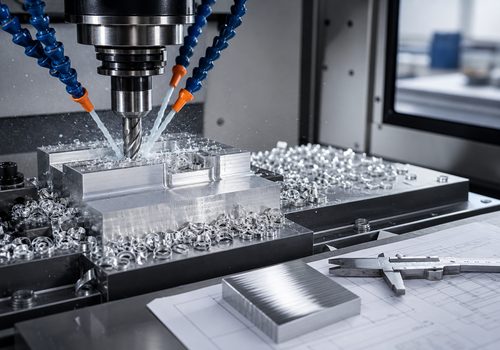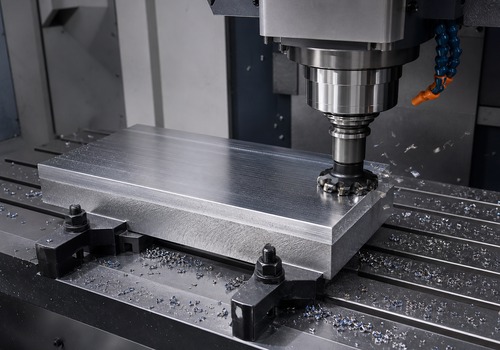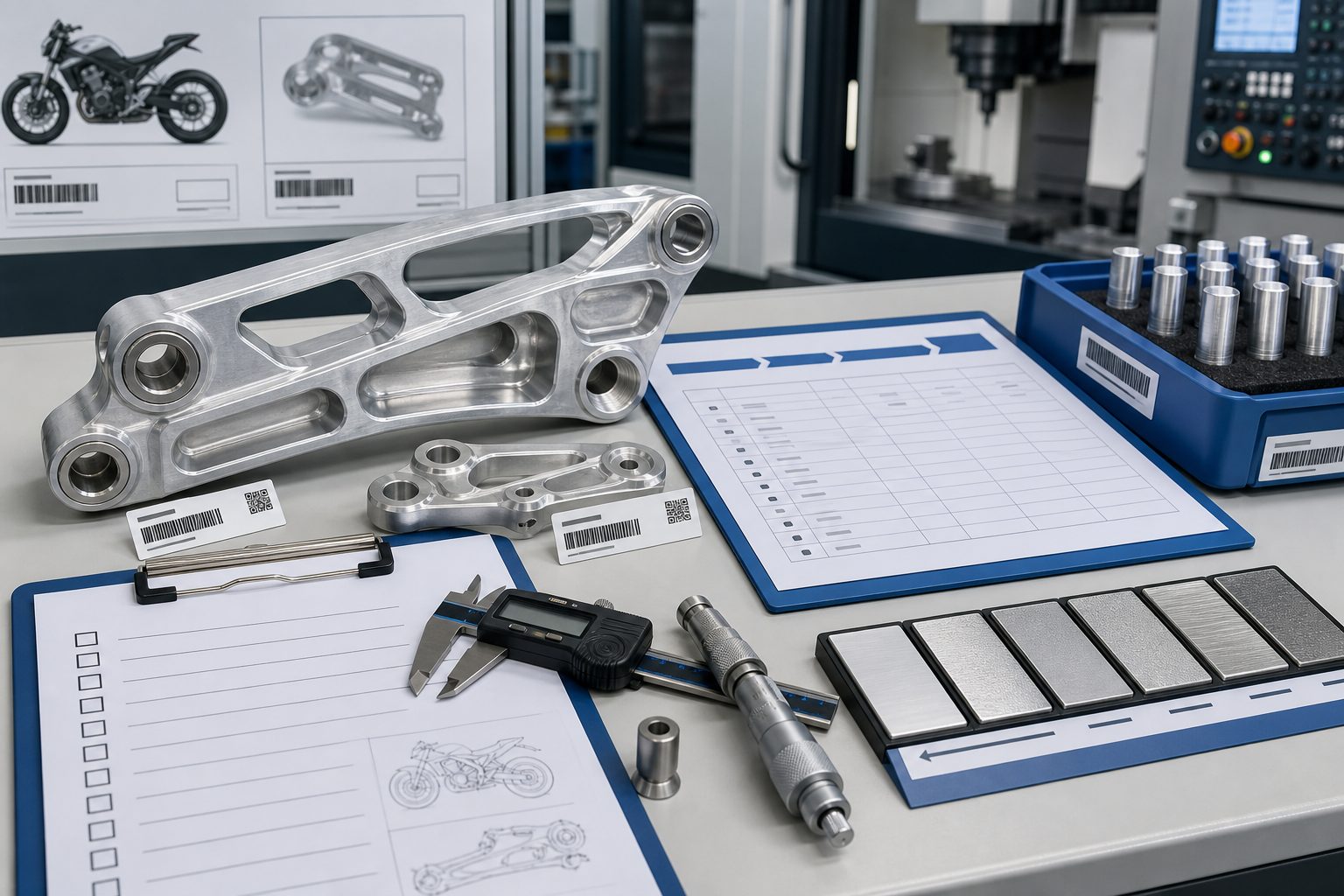
Choosing between 7075-T6 and 6061-T6 is one of the most common material decisions in CNC aluminum part production. Both alloys are widely used, both can be CNC machined, and both are suitable for many custom metal components.
However, they are not interchangeable in every case.
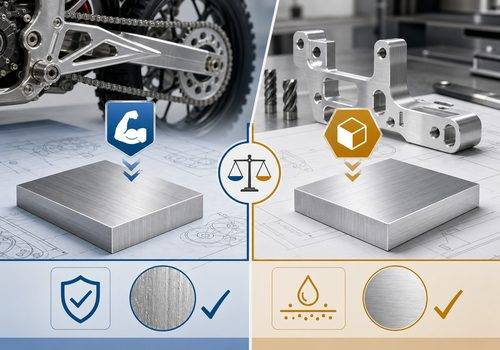
6061-T6 is often the default choice for CNC machined aluminum parts because it offers good machinability, corrosion resistance, surface finishing performance, and cost control. 7075-T6 is usually selected when the part needs higher strength, better fatigue resistance, or a stronger weight-to-performance ratio.
The right choice depends on how the part will be used, what loads it will carry, how it will be finished, and how much cost pressure the project has.
Quick Answer
You should specify 7075-T6 instead of 6061-T6 when the CNC part is load-bearing, weight-sensitive, fatigue-sensitive, or performance-critical.
Use 6061-T6 when the part is general-purpose, decorative, moderately loaded, corrosion-exposed, welded, or cost-sensitive.
What Is 6061-T6 Aluminum?
6061-T6 is a general-purpose aluminum alloy commonly used for CNC machined parts, brackets, plates, housings, clamps, adapters, and structural components.
It is popular because it offers a balanced combination of:
- Good machinability
- Good corrosion resistance
- Good anodizing performance
- Reasonable strength
- Good availability
- Lower cost compared with 7075-T6
- Better weldability than 7075-T6
For many CNC parts, 6061-T6 is strong enough and easier to source. This makes it a practical default material for prototype production, small batch production, and repeat manufacturing.
What Is 7075-T6 Aluminum?
7075-T6 is a high-strength aluminum alloy often used where mechanical performance is more important than cost.
It is commonly selected for:
- High-load components
- Lightweight structural parts
- Racing parts
- Aerospace-style applications
- Performance motorcycle components
- Parts exposed to repeated stress
- Components where deformation must be minimized
Compared with 6061-T6, 7075-T6 usually offers much higher strength. However, it also costs more, has lower corrosion resistance, is more difficult to weld, and may require more careful finishing and design review.
7075-T6 vs 6061-T6: Key Differences for CNC Parts
| Factor | 6061-T6 | 7075-T6 |
|---|---|---|
| Strength | Good | Much higher |
| Machinability | Good | Good, but may require more care |
| Corrosion resistance | Better | Lower than 6061-T6 |
| Weldability | Better | Poorer |
| Cost | Lower | Higher |
| Anodizing | Generally good | Possible, but color/finish may need more control |
| Typical use | General CNC parts | High-strength CNC parts |
| Best for | Balanced cost and performance | Strength-to-weight applications |
For most standard CNC aluminum parts, 6061-T6 is enough. For parts that must resist higher load, bending, impact, or repeated vibration, 7075-T6 may be the better choice.
When Should You Specify 7075-T6?
1. When the Part Carries High Mechanical Load
Specify 7075-T6 when the part must handle significant force, clamping pressure, impact, or bending load.
Examples include:
- Structural brackets
- Motorcycle foot peg mounts
- Handlebar clamps
- Suspension-related adapters
- Frame slider bases
- High-load risers
- Racing or performance parts
If a 6061-T6 part may deform, bend, or wear too quickly under real use, 7075-T6 should be reviewed.
2. When Strength-to-Weight Ratio Matters
7075-T6 is useful when the design needs high strength without adding extra material thickness.
For lightweight performance parts, designers may choose 7075-T6 to reduce weight while keeping the part strong. This can be relevant for racing motorcycles, adventure motorcycle accessories, and performance aftermarket components.
In some designs, switching to 7075-T6 may allow the part to remain compact while still meeting load requirements.
3. When the Part Faces Repeated Stress or Vibration
Motorcycle parts often face vibration, shock, and repeated loading. For some components, fatigue resistance matters more than simple static strength.
7075-T6 can be a better choice for parts such as:
- Foot peg brackets
- Handlebar clamp components
- Frame-mounted adapters
- Protection part mounts
- Performance linkage-related parts
However, the design must still avoid sharp internal corners, weak thin walls, and poor load paths. Material choice cannot fix a weak design.
4. When Deformation Must Be Minimized
Some CNC parts must stay dimensionally stable under clamping or load. If the part flexes too much, assembly alignment may be affected.
7075-T6 may be suitable when the part needs:
- Higher stiffness under load
- Stronger threaded areas
- Reduced deformation risk
- Better performance in compact geometry
This is important for precision clamps, risers, adapters, and mounting parts.
CNC Motorcycle Parts Where 7075-T6 May Be Useful
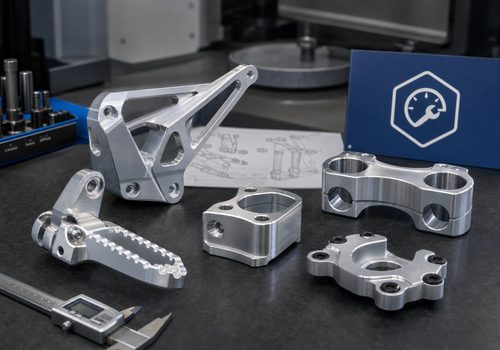
For custom motorcycle metal parts, 7075-T6 may be considered for:
- CNC foot pegs
- Foot peg mounts
- Handlebar clamps
- Handlebar risers
- Frame slider adapters
- Load-bearing mounting brackets
- Racing motorcycle brackets
- Adventure motorcycle protection mounts
- Lightweight structural adapters
These parts may benefit from the higher strength of 7075-T6, especially when the design is compact and the part must resist force, vibration, or impact.
When Is 6061-T6 the Better Choice?
7075-T6 is not always the better material. In many cases, 6061-T6 is more practical.
Choose 6061-T6 when:
- The part is not highly loaded
- Cost control is important
- Corrosion resistance matters
- Welding may be required
- The part needs reliable anodizing appearance
- The design has enough thickness for strength
- The part is decorative or moderately functional
- The project is a prototype or low-risk application
6061-T6 is commonly used for:
- Light brackets
- License plate holders
- Decorative covers
- Spacers
- Side panels
- General mounting brackets
- Non-critical adapters
- Prototype parts
For many aftermarket motorcycle parts, 6061-T6 gives a strong balance of cost, availability, appearance, and performance.
Cost Consideration: Do Not Over-Specify 7075-T6
7075-T6 is stronger, but it is usually more expensive than 6061-T6. If the part does not need the extra strength, using 7075-T6 may increase material cost without adding real value.
Over-specifying 7075-T6 can also affect:
- Material purchasing cost
- Lead time
- Surface finish control
- Machining strategy
- Scrap risk
- Final product price
A practical approach is to start with the part function. If 6061-T6 meets the load, tolerance, corrosion, and finish requirements, it may be the better production choice.
Surface Finish and Anodizing Considerations
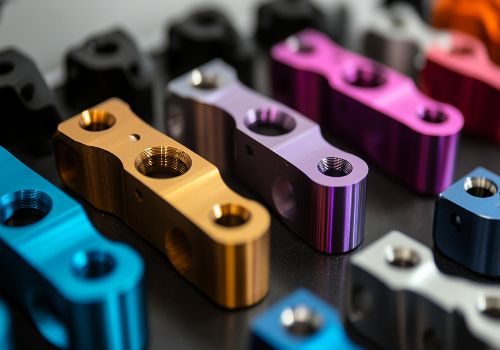
Both 6061-T6 and 7075-T6 can be anodized, but the final appearance may not be identical.
6061-T6 is often preferred when cosmetic anodizing consistency is important. 7075-T6 can also be anodized, but color and surface appearance may require more control depending on the finish requirement.
For visible motorcycle parts, such as clamps, risers, foot pegs, and covers, the RFQ should clearly specify:
- Anodizing color
- Cosmetic surface areas
- Brushing or polishing requirement
- Surface roughness
- Masking areas
- Acceptable color variation
- Packaging protection
If appearance is critical, request samples before full production.
Machining and Design Notes for 7075-T6
7075-T6 can be CNC machined effectively, but the part design should still be reviewed carefully.
Important design points include:
- Avoid sharp internal corners where stress may concentrate
- Use proper fillets where load paths change
- Confirm thread engagement depth
- Avoid overly thin walls in high-load areas
- Review clamping and fixturing risk
- Confirm critical tolerances
- Consider post-machining surface treatment
For high-load CNC parts, material selection and design quality must work together.
Decision Checklist: 7075-T6 or 6061-T6?
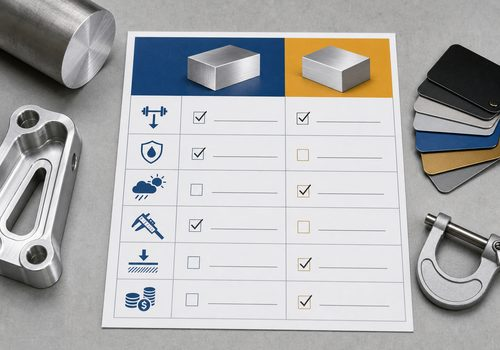
Before choosing 7075-T6 instead of 6061-T6, review these questions:
- Is the part load-bearing?
- Will the part face repeated vibration or impact?
- Is weight reduction important?
- Is deformation under load a concern?
- Is the part compact with limited material thickness?
- Is the higher material cost acceptable?
- Is welding required?
- Is corrosion exposure significant?
- Is cosmetic anodizing consistency important?
- Has the design been reviewed for stress concentration?
If strength and weight are the main priorities, 7075-T6 may be justified. If cost, corrosion resistance, welding, and general production efficiency are more important, 6061-T6 may be the better option.
Example: CNC Motorcycle Handlebar Clamp
A handlebar clamp must hold securely under vibration and rider input. If the design is compact and the clamping load is high, 7075-T6 may be considered because of its higher strength.
However, if the clamp has enough material thickness and the application is not extreme, 6061-T6 may still be suitable. It may also provide better cost control and reliable anodized appearance.
The correct choice depends on:
- Clamp geometry
- Bolt size
- Wall thickness
- Load direction
- Finish requirement
- Target price
- Expected use condition
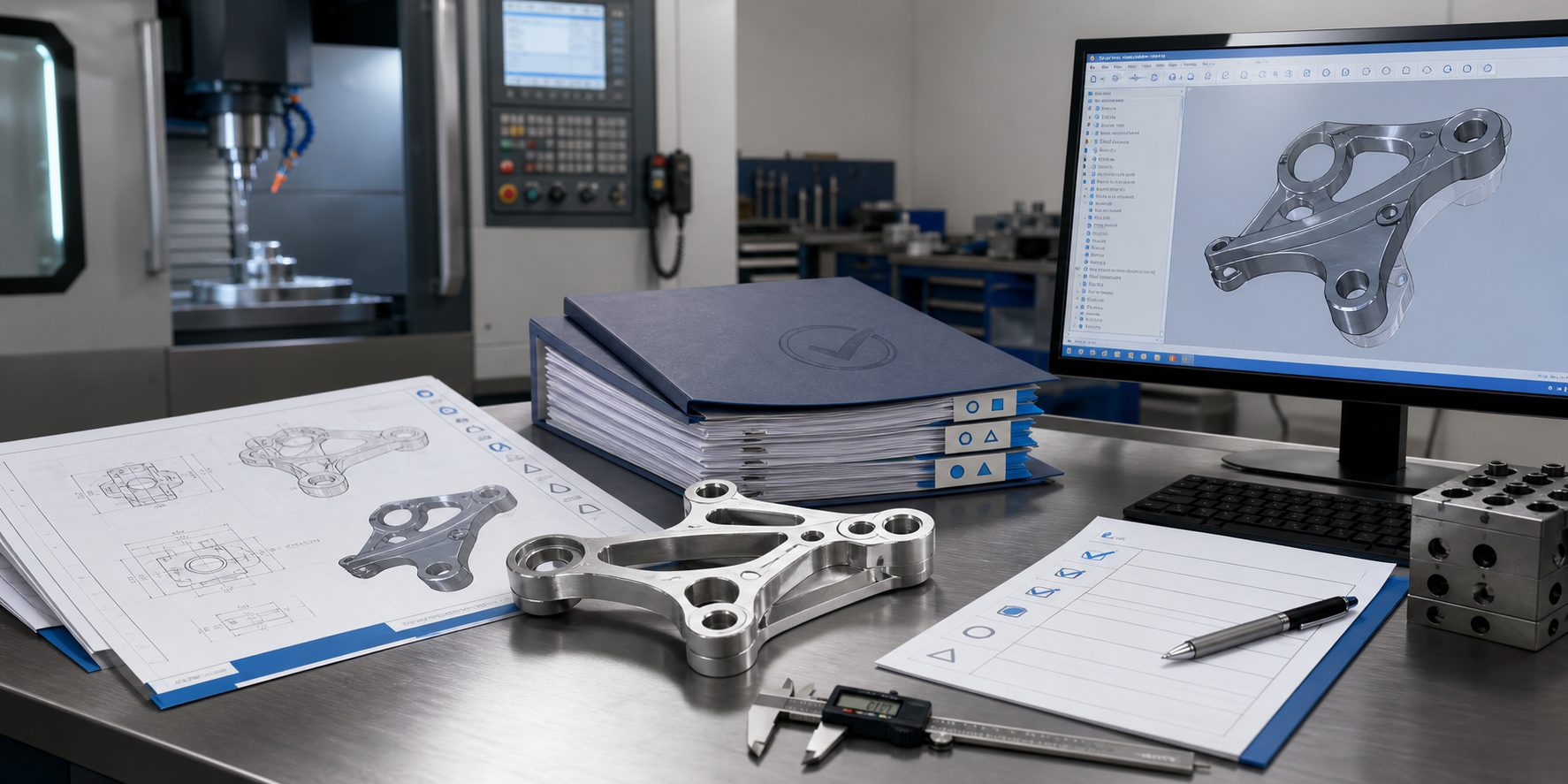
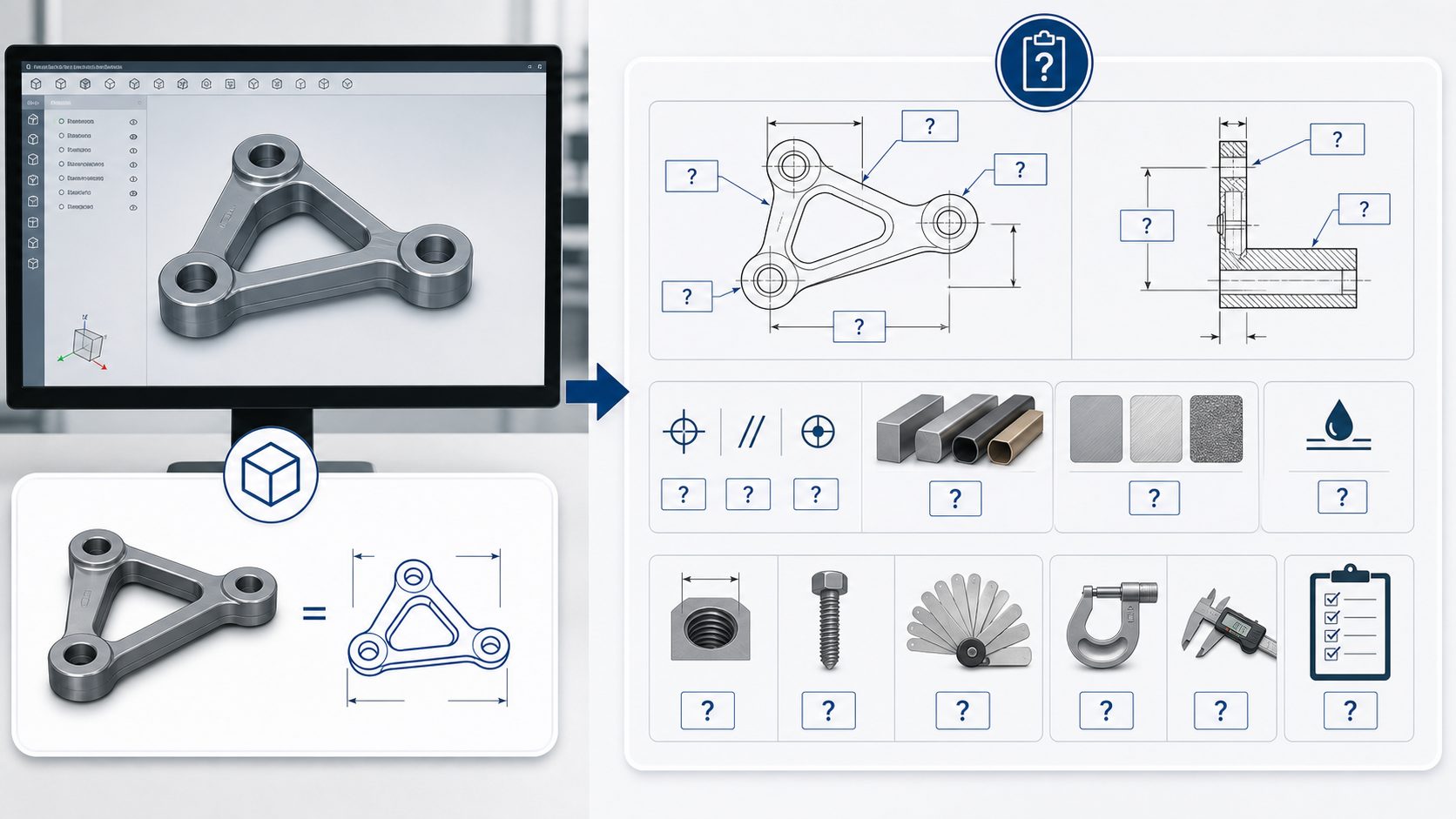
This is why material selection should be reviewed together with the drawing and application details.
FAQ
Is 7075-T6 always better than 6061-T6?
No. 7075-T6 is stronger, but 6061-T6 is often better for cost, corrosion resistance, weldability, and general CNC machining applications.
When should I use 7075-T6 for CNC machining?
Use 7075-T6 when the part requires high strength, low weight, fatigue resistance, or reduced deformation under load.
Is 6061-T6 strong enough for motorcycle parts?
Yes, for many motorcycle parts. 6061-T6 is commonly used for brackets, adapters, spacers, covers, and general CNC machined components. For high-load or racing applications, 7075-T6 may be reviewed.
Can 7075-T6 be anodized?
Yes, 7075-T6 can be anodized, but cosmetic consistency may need closer control than 6061-T6. If appearance is important, provide finish samples or request sample approval.
Which material is better for prototype CNC parts?
6061-T6 is often preferred for prototypes because it is cost-effective and widely available. If the prototype is used for load testing, 7075-T6 may be more appropriate.
Conclusion
Specify 7075-T6 instead of 6061-T6 when the CNC part needs higher strength, better fatigue resistance, lower weight under load, or improved performance in demanding applications.
Use 6061-T6 when the part needs balanced strength, good corrosion resistance, good anodizing performance, weldability, availability, and lower cost.
For custom CNC machined motorcycle parts, the best material choice depends on the part function, load condition, finish requirement, quantity, and target cost. If you are unsure, send the drawing, 3D model, material requirement, and application details to your CNC supplier for manufacturing review before production.