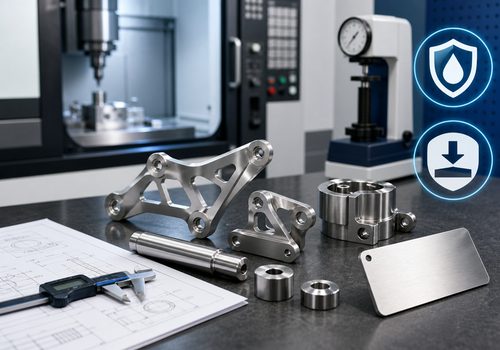
17-4 PH stainless steel is widely used for precision CNC components that require strength, corrosion resistance, hardness, and dimensional control. It is stronger than many common stainless steels and can be heat treated to achieve different mechanical properties.
For custom CNC machined parts such as shafts, spacers, pins, clamps, bushings, brackets, adapters, and load-bearing metal components, material selection directly affects performance and production stability. 17-4 PH is often chosen when standard stainless steel is not strong enough, but the part still needs good corrosion resistance.
What Is 17-4 PH Stainless Steel?
17-4 PH is a precipitation-hardening stainless steel. The “PH” means precipitation hardening, a heat treatment process used to increase strength and hardness.
This material is known for combining:
- High strength
- Good hardness
- Good corrosion resistance
- Heat-treatable properties
- Good dimensional stability
- Better mechanical performance than many standard stainless steels
Because of this balance, 17-4 PH is often used in precision components where both accuracy and durability matter.
Why Is 17-4 PH Suitable for Precision CNC Components?
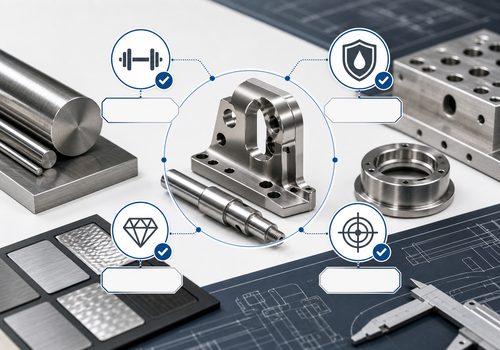
17-4 PH is suitable for precision CNC components because it offers a strong combination of machinability, strength, hardness, and corrosion resistance.
Compared with ordinary stainless steels, it can provide better load-bearing performance after heat treatment. Compared with carbon steel, it offers better corrosion resistance. Compared with many aluminum alloys, it provides much higher strength and wear resistance, although it is heavier and more difficult to machine.
This makes it useful when the part must hold tight tolerances and perform under mechanical stress.
1. High Strength for Load-Bearing Parts
One of the main reasons to choose 17-4 PH stainless steel is strength.
Precision CNC components are often exposed to clamping force, vibration, repeated loading, or assembly stress. If the material is too soft, the part may deform, wear, or lose alignment.
17-4 PH can be used for:
- Precision shafts
- Pins
- Bushings
- Spacers
- Mounting brackets
- Clamps
- Adapters
- High-strength threaded components
- Load-bearing mechanical parts
For motorcycle metal parts, it may be considered for compact components that need higher strength than aluminum or standard stainless steel.
2. Heat-Treatable Mechanical Properties
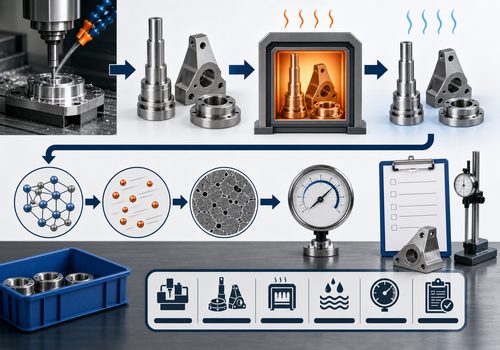
17-4 PH can be heat treated to reach different strength and hardness levels. This allows engineers to select a condition that matches the part’s function.
The heat treatment process can affect:
- Hardness
- Tensile strength
- Yield strength
- Toughness
- Dimensional behavior
- Machining strategy
- Final inspection requirements
This is useful for precision CNC components because the material can be matched to the application instead of using one fixed mechanical condition for every part.
When requesting a quotation, buyers should specify the required material condition or heat treatment requirement clearly. If it is missing, the supplier may need to ask for clarification before production.
3. Good Corrosion Resistance
17-4 PH stainless steel offers better corrosion resistance than carbon steel and many alloy steels. This makes it suitable for parts exposed to moisture, outdoor environments, or repeated handling.
It is not always the best choice for highly aggressive chemical environments, but for many industrial, mechanical, and outdoor applications, it provides a practical balance of strength and corrosion resistance.
For motorcycle-related CNC components, corrosion resistance can be important for:
- Exposed brackets
- Spacers
- Fastening components
- Adapter parts
- Frame-mounted hardware
- Protection part mounts
If the part will be exposed to salt spray, road chemicals, or severe outdoor conditions, the environment should be clearly discussed before final material selection.
4. Good Dimensional Stability
Precision CNC components often require stable dimensions after machining, heat treatment, and assembly. 17-4 PH is valued because it can provide reliable dimensional behavior when properly processed.
Dimensional stability matters for:
- Close-fit shafts
- Bearing-related features
- Precision holes
- Threaded areas
- Locating features
- Assembly-critical brackets
- Repeat production parts
A good supplier should review whether the part should be machined before or after heat treatment, depending on tolerance requirements and final hardness.
5. Suitable for Precision CNC Machining
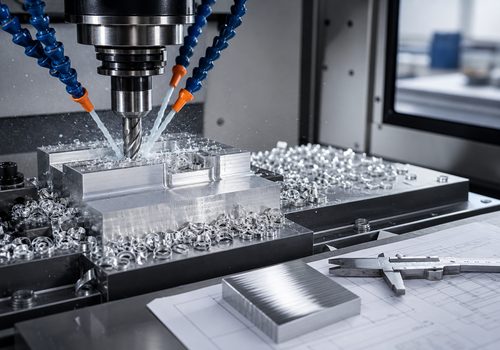
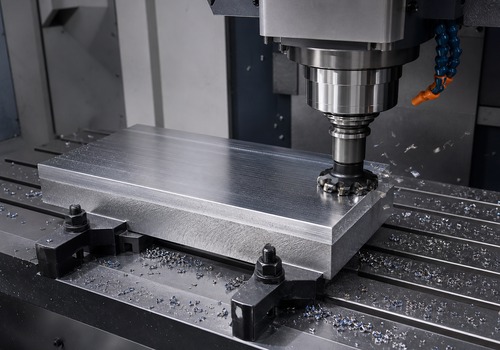
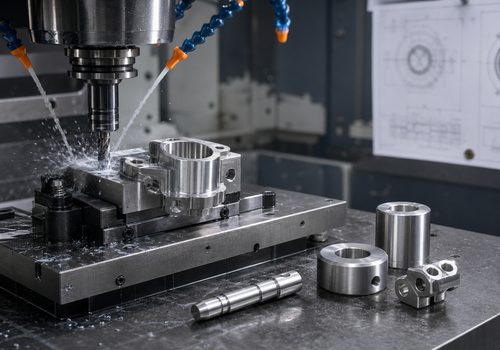
17-4 PH can be CNC machined effectively, but it requires proper tooling, stable workholding, suitable cutting parameters, and good process control.
Compared with aluminum, it is harder and less forgiving. Compared with some austenitic stainless steels, it may offer better machining stability depending on condition and setup.
Important machining factors include:
- Tool material and coating
- Cutting speed
- Feed rate
- Coolant delivery
- Tool wear control
- Workholding rigidity
- Heat treatment condition
- Burr control
- Surface finish requirements
For tight-tolerance parts, machining strategy should be planned carefully to control deformation and surface quality.
6. Better Wear Resistance Than Softer Materials
17-4 PH can provide better wear resistance than softer stainless steels or aluminum alloys, especially after suitable heat treatment.
This is useful for components that experience:
- Sliding contact
- Repeated assembly
- Pin or shaft contact
- Clamping pressure
- Thread engagement
- Vibration
- Mechanical load
For parts such as bushings, pins, spacers, and locating components, wear resistance can help maintain fit and function over time.
7. Good Choice for Compact High-Strength Designs
Some CNC components do not have enough space for thick walls or large cross-sections. In compact designs, material strength becomes more important.
17-4 PH may be selected when the part must remain:
- Compact
- Strong
- Corrosion resistant
- Dimensionally accurate
- Reliable under load
This can be useful for precision clamps, small mounting parts, shafts, adapters, and special hardware.
Quality Control for 17-4 PH CNC Components
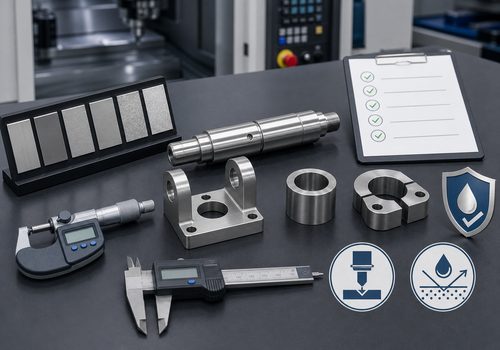
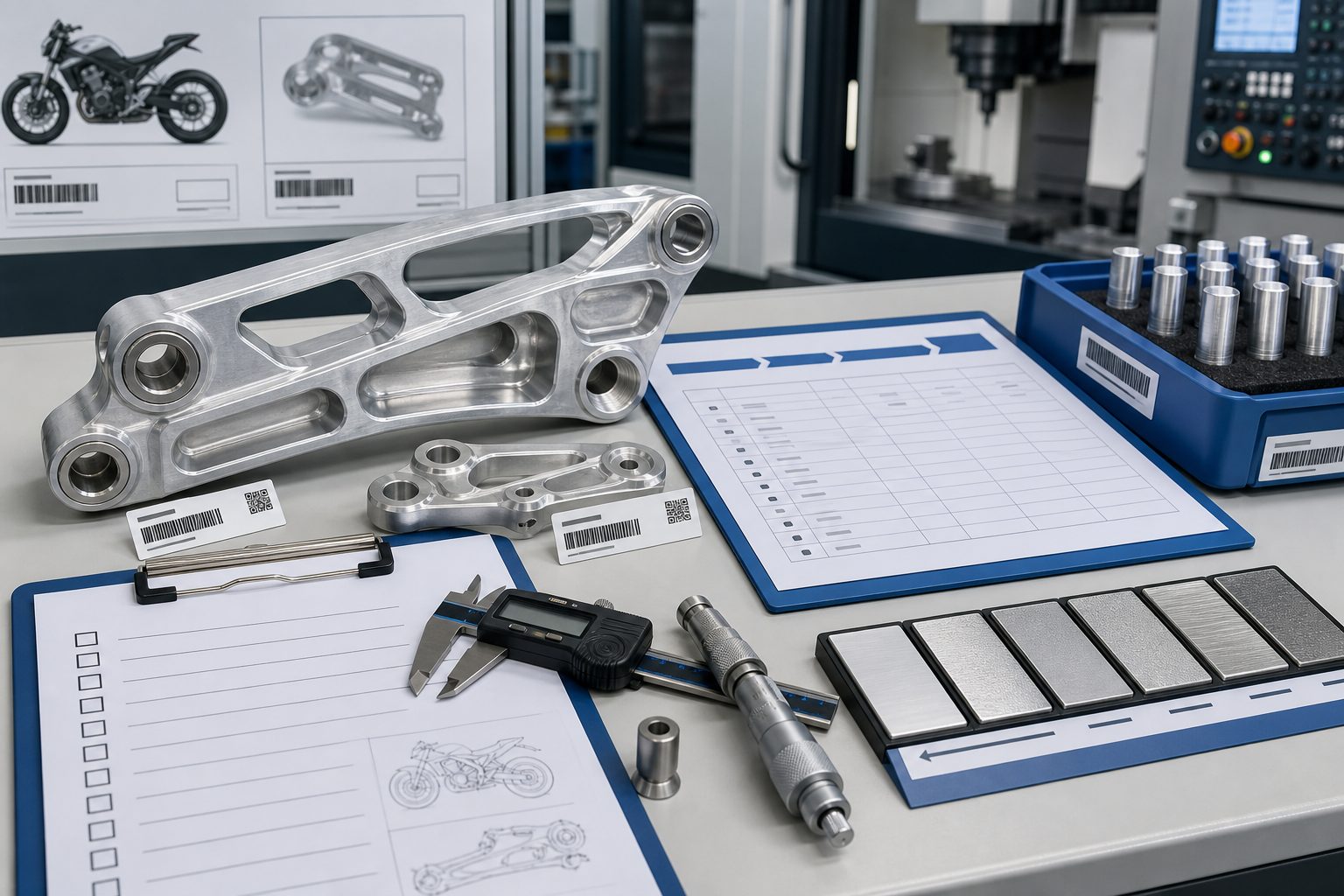
For precision CNC components made from 17-4 PH stainless steel, inspection should be clearly defined before production.
Common quality requirements may include:
- Dimensional inspection
- Material certificate
- Heat treatment certificate
- Hardness test
- Surface finish inspection
- Thread inspection
- First article inspection
- Critical feature measurement
- Visual inspection
- Packaging protection
If the part is heat treated after machining, the inspection plan should confirm whether final dimensions are checked after heat treatment.
Common Applications of 17-4 PH CNC Components
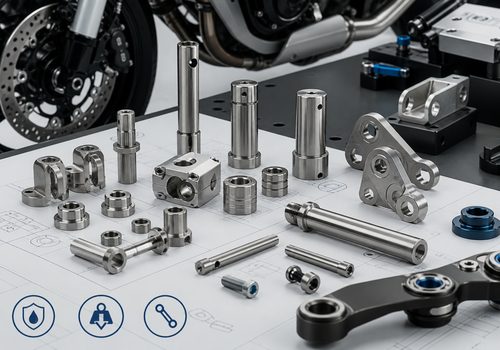
17-4 PH stainless steel is often used in applications that require strength, corrosion resistance, and precision.
Typical CNC machined components include:
- Shafts
- Pins
- Bushings
- Spacers
- Clamps
- Brackets
- Adapters
- Housings
- Mounting blocks
- Precision threaded parts
- High-strength mechanical hardware
For custom motorcycle metal parts, 17-4 PH may be considered when aluminum is not strong enough and standard stainless steel does not provide the required mechanical performance.
When Should You Choose 17-4 PH Instead of 304 or 316 Stainless Steel?
304 and 316 stainless steels are commonly used when corrosion resistance is the main priority. However, they may not provide enough strength or hardness for some precision mechanical components.
Choose 17-4 PH when the part needs:
- Higher strength than 304 or 316
- Better hardness
- Better wear resistance
- Heat-treatable performance
- Good corrosion resistance
- Better dimensional stability under load
Choose 304 or 316 when the part mainly needs corrosion resistance and does not require high strength or hardness.
Design Considerations for 17-4 PH CNC Parts
To get reliable results, the design should be reviewed before machining.
Key design points include:
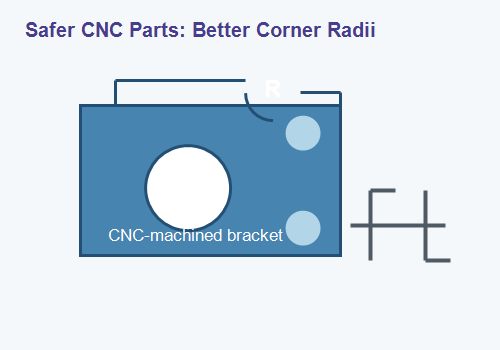
- Avoid unnecessary sharp internal corners
- Add proper radii in high-stress areas
- Confirm thread depth
- Avoid overly thin walls
- Define critical tolerances clearly
- Specify heat treatment condition
- Identify cosmetic surfaces
- Confirm final inspection requirements
Material selection alone cannot fix a weak design. For high-strength components, geometry and machining process matter as much as the material.
RFQ Information Buyers Should Provide
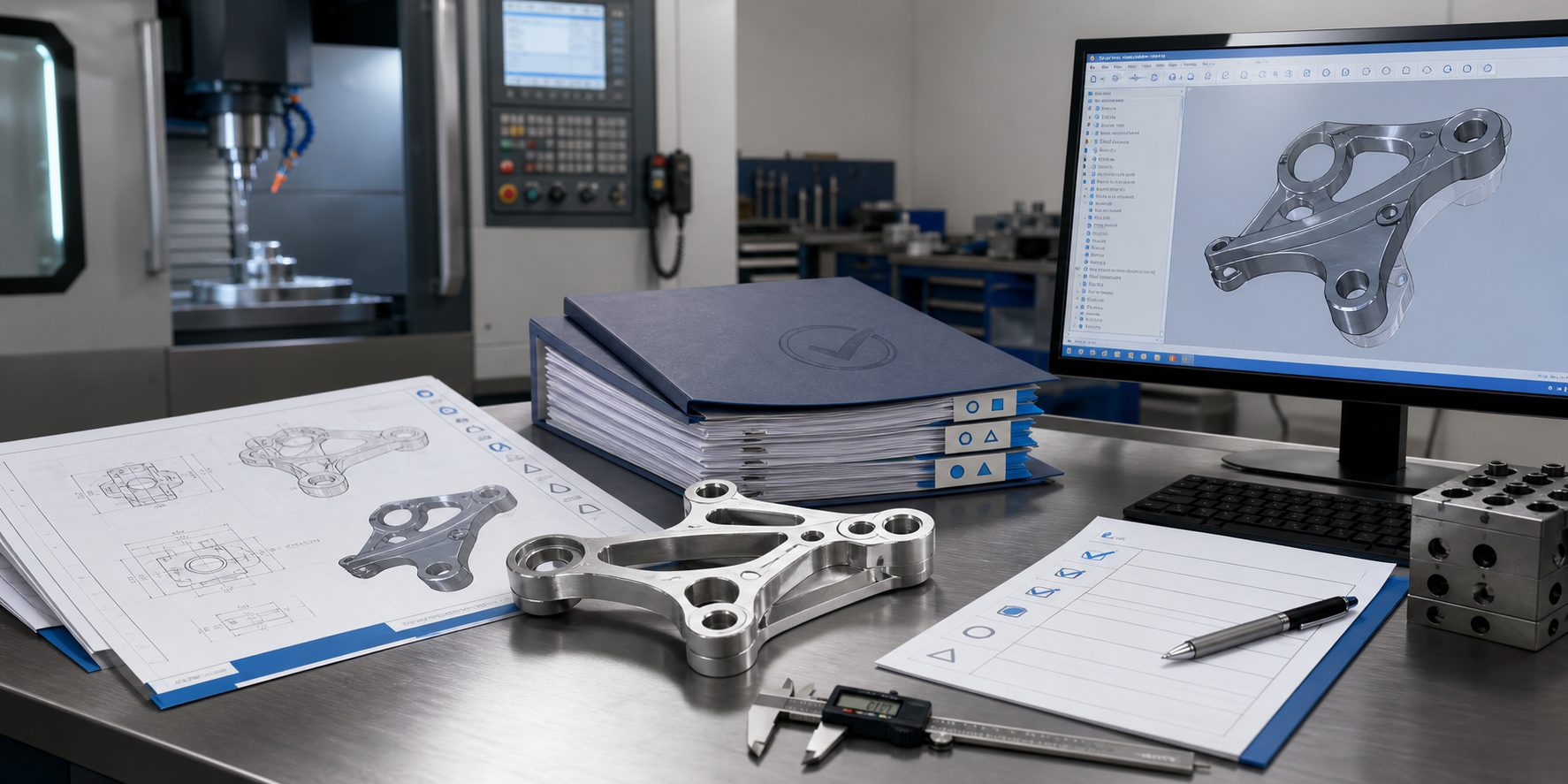
When requesting a quote for 17-4 PH CNC components, include:
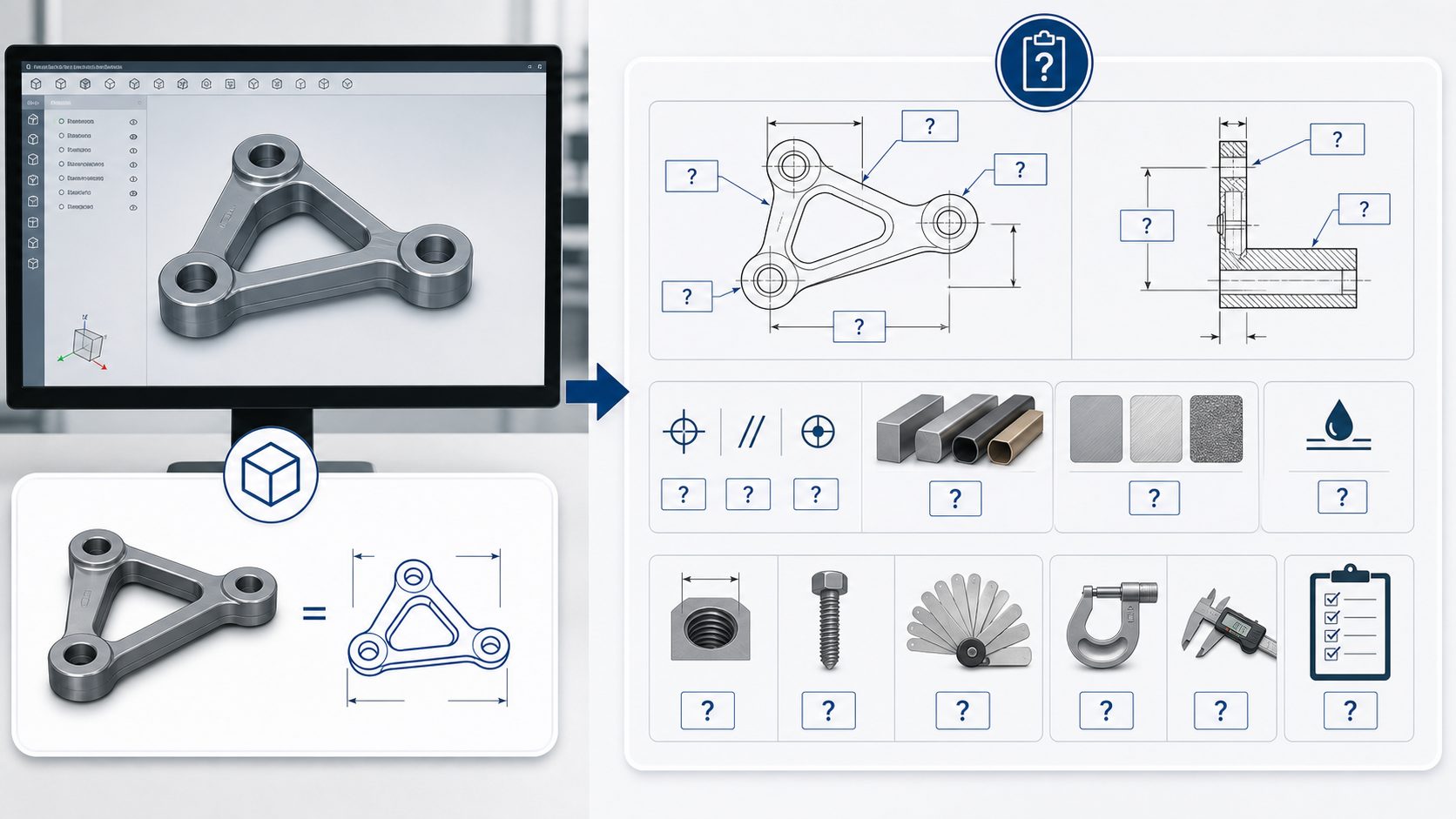
- 3D CAD model
- 2D engineering drawing
- Required material condition
- Heat treatment requirement
- Quantity
- Critical tolerances
- Surface finish
- Thread details
- Inspection requirements
- Application information
- Packaging requirements
- Delivery schedule
This helps the supplier review manufacturability and prepare a more accurate quotation.
FAQ
What does 17-4 PH mean?
17-4 PH is a precipitation-hardening stainless steel. It can be heat treated to increase strength and hardness while maintaining good corrosion resistance.
Is 17-4 PH stainless steel good for CNC machining?
Yes. 17-4 PH can be CNC machined effectively with proper tooling, coolant, workholding, and process control.
Is 17-4 PH stronger than 304 stainless steel?
Yes, 17-4 PH generally offers higher strength and hardness than 304 stainless steel, especially after heat treatment.
When should I use 17-4 PH instead of 316 stainless steel?
Use 17-4 PH when strength, hardness, and wear resistance are more important. Use 316 when corrosion resistance in harsh environments is the main priority.
Does 17-4 PH require heat treatment?
It depends on the required mechanical properties. Many applications specify a heat-treated condition. The required condition should be stated clearly in the drawing or RFQ.
Conclusion
17-4 PH stainless steel is suitable for precision CNC components because it combines high strength, good hardness, corrosion resistance, heat-treatable performance, and dimensional stability.
It is a strong option for shafts, pins, spacers, clamps, brackets, adapters, and other precision metal components that must perform under load. For custom CNC machined motorcycle parts and industrial hardware, it can be a practical choice when standard stainless steel or aluminum does not meet the required performance level.
Before production, confirm the material condition, heat treatment, tolerances, inspection requirements, and application details with your CNC supplier.