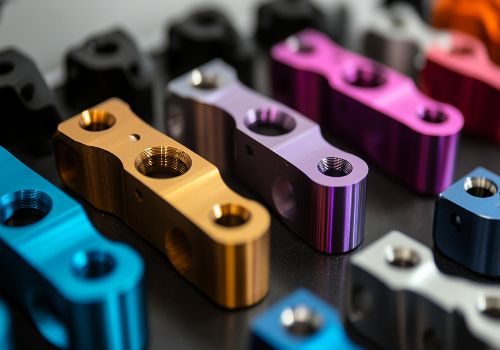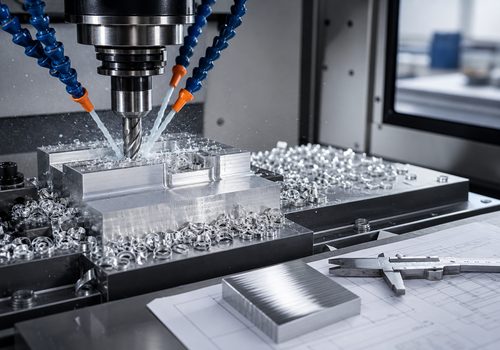
Pure aluminum is soft, ductile, and easy to form. These properties are useful for many applications, but they also create a common machining problem: built-up edge.
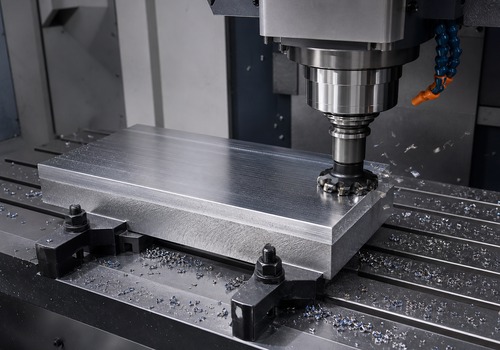
Built-up edge happens when aluminum material sticks to the cutting edge of the tool during machining. Once material starts welding to the edge, the tool no longer cuts cleanly. The result can be poor surface finish, dimensional variation, burrs, unstable cutting force, and shorter tool life.
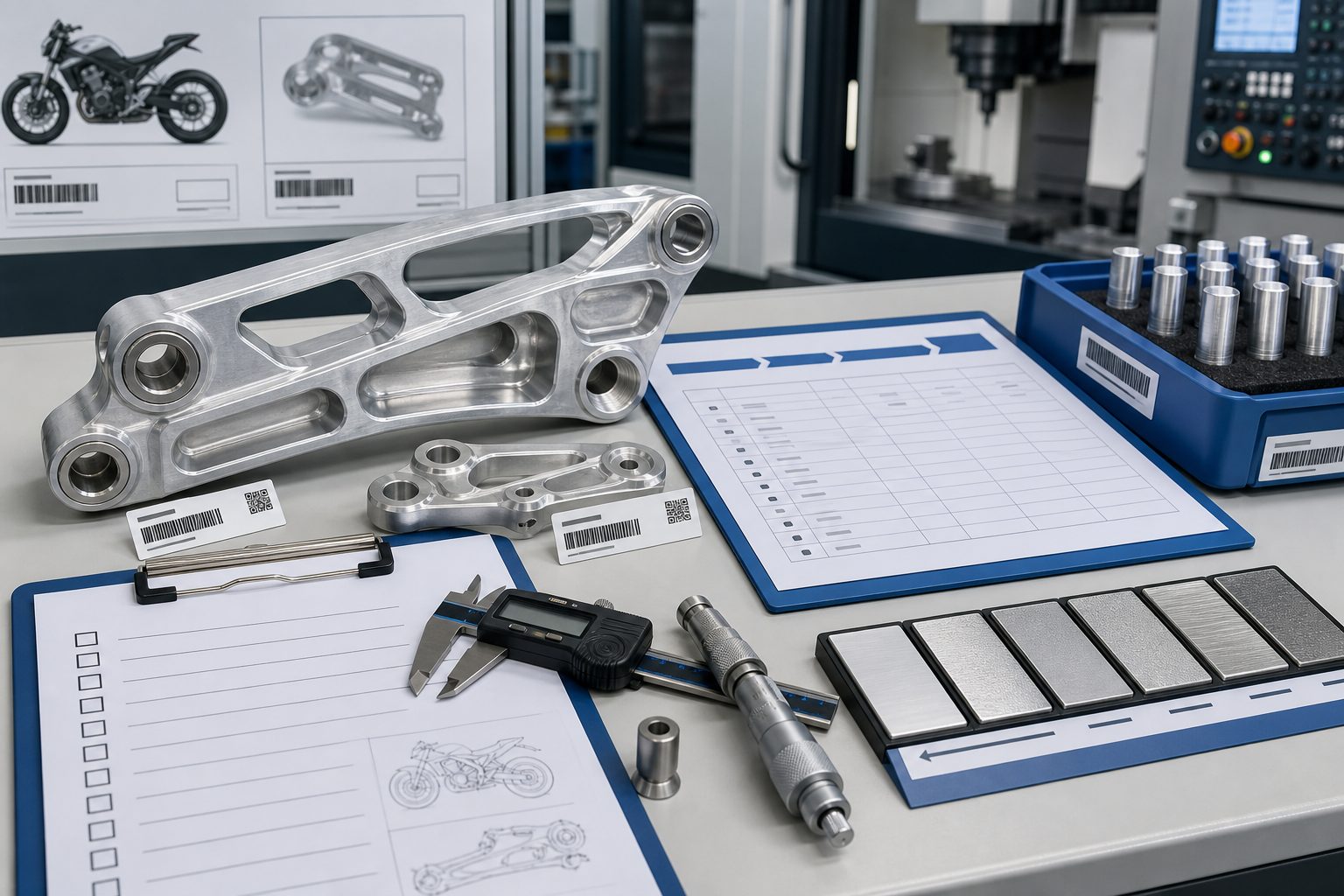
For CNC machined aluminum parts such as brackets, covers, spacers, adapters, clamps, and motorcycle custom components, controlling built-up edge is important for both appearance and function.
What Is Built-Up Edge?
Built-up edge, often called BUE, is a layer of workpiece material that adheres to the cutting edge of a tool during machining.
When machining pure aluminum, the material can become soft and sticky at the tool-chip interface. Instead of sliding away cleanly as a chip, part of the aluminum attaches to the cutting edge. This changes the tool geometry and affects the cutting process.
Common signs of built-up edge include:
- Rough or smeared surface finish
- Inconsistent dimensions
- Burrs around edges or holes
- Poor chip formation
- Higher cutting force
- Tool marks on the machined surface
- Aluminum material stuck on the cutter
- Unstable machining sound
If the problem is not corrected, the built-up material may break off and damage the surface of the part.
Why Pure Aluminum Is Prone to Built-Up Edge
Pure aluminum is softer and more ductile than many aluminum alloys. It has a strong tendency to stick to the cutting tool, especially when heat, friction, and poor chip evacuation are present.
Built-up edge is more likely when:
- The cutting edge is dull
- The tool surface is rough
- The rake angle is not suitable
- Cutting speed is too low
- Chip load is too light
- Coolant or lubrication is insufficient
- Chips are not evacuated properly
- The setup lacks rigidity
- The tool coating is not suitable for aluminum
The goal is to make the chip form cleanly and leave the cutting zone quickly.
1. Use Sharp, Polished Cutting Tools
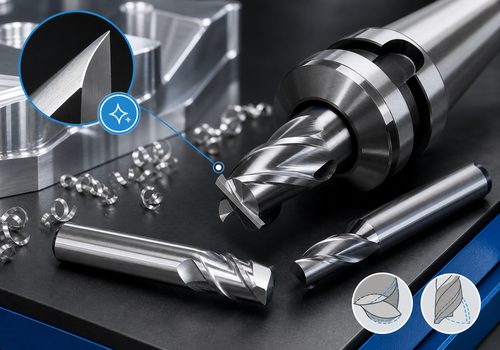
Tool selection is one of the most important factors in preventing built-up edge.
For pure aluminum, use sharp cutting tools with polished flutes. A sharp edge reduces rubbing, while polished flutes help chips slide away instead of sticking to the cutter.
Recommended tool features include:
- Sharp cutting edge
- High positive rake angle
- Polished flute surface
- Large chip clearance
- Aluminum-specific geometry
- Proper helix angle
- Minimal edge hone for finishing cuts
Single-flute, two-flute, or three-flute tools are often used depending on the operation, machine, and chip evacuation requirement. The best choice depends on whether the process is roughing, slotting, profiling, drilling, or finishing.
Avoid using a general-purpose cutter if the surface finish requirement is high. A tool designed for steel may not clear aluminum chips efficiently.
2. Avoid Dull Tools
A dull tool increases friction and heat. Instead of cutting the aluminum cleanly, it rubs and compresses the material. This makes built-up edge more likely.
For pure aluminum production, tool condition should be checked regularly.
Watch for:
- Aluminum welded to the cutting edge
- Rounded cutting edge
- Poor surface finish
- More burrs than usual
- Increased spindle load
- Unstable cutting sound
- Chips changing from clean curls to smeared fragments
Replacing a worn tool early is usually cheaper than producing rejected parts.
3. Use Proper Cutting Speed and Feed
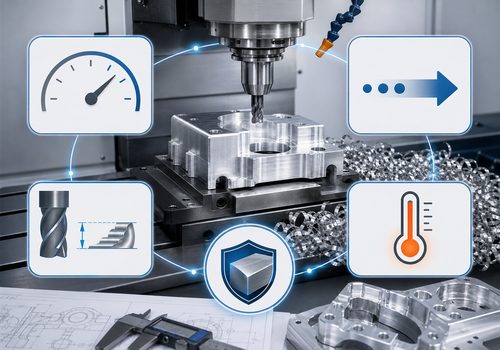
Built-up edge is often related to poor cutting conditions.
If cutting speed is too low, aluminum is more likely to stick to the tool. If feed is too light, the tool may rub instead of cutting. If feed is too aggressive, heat and tool pressure may increase.
The machining process should maintain a stable chip load. The tool must take a real cut, not just polish or smear the surface.
Good process control should consider:
- Spindle speed
- Feed rate
- Depth of cut
- Width of cut
- Tool diameter
- Number of flutes
- Machine rigidity
- Coolant delivery
- Workholding stability
There is no single universal parameter for every part. The best settings depend on the machine, tool, material condition, operation type, and required surface finish. Start from tool supplier recommendations and adjust based on chip shape, surface finish, and cutting stability.
4. Keep Chips Moving Out of the Cut
Pure aluminum chips can quickly pack into pockets, slots, and deep features. When chips stay in the cutting zone, they increase heat and friction. This can accelerate built-up edge.
Good chip evacuation is especially important for:
- Deep pockets
- Narrow slots
- Small holes
- Thin-wall parts
- High-speed aluminum milling
- Complex motorcycle brackets or adapters
To improve chip evacuation:
- Use tools with enough flute clearance
- Avoid too many flutes for heavy chip volume
- Use air blast or coolant flow
- Clear chips from deep cavities
- Avoid recutting chips
- Program toolpaths that allow chips to escape
A clean cutting zone helps the tool stay sharp and reduces aluminum adhesion.
5. Use Effective Coolant or Lubrication
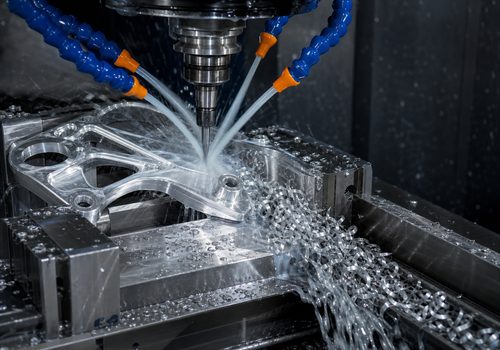
Coolant and lubrication reduce heat and friction at the cutting edge. They also help move chips away from the tool.
For pure aluminum machining, effective cooling and lubrication can improve:
- Surface finish
- Chip control
- Tool life
- Dimensional consistency
- Burr control
- Process stability
Depending on the operation, manufacturers may use flood coolant, mist lubrication, minimum quantity lubrication, or air blast with suitable lubricant. The best method depends on the part geometry, machine setup, and finish requirement.
For deep pockets and internal features, coolant direction matters. The fluid must reach the cutting edge, not just wet the top surface of the part.
6. Choose the Right Tool Coating
Not every tool coating is suitable for aluminum.
Some coatings can increase aluminum adhesion. For pure aluminum, uncoated polished carbide tools are often effective. Certain aluminum-friendly coatings may also help, but the tool surface should remain smooth and resistant to sticking.
When selecting tools, consider:
- Polished uncoated carbide
- Aluminum-specific coatings
- Low-friction tool surfaces
- Sharp edge preparation
- Proper flute geometry
Avoid tool choices that increase friction or trap chips.
7. Improve Workholding and Machine Rigidity
Vibration can worsen built-up edge. If the tool or part vibrates, the cutting edge may rub instead of cutting cleanly.
Improve rigidity by checking:
- Tool holder condition
- Tool runout
- Tool stick-out length
- Fixture strength
- Workpiece clamping
- Machine spindle condition
- Cutting direction and toolpath strategy
For thin aluminum parts, excessive clamping force can also distort the part. The setup should hold the workpiece firmly without bending it.
8. Use the Right Finishing Strategy
Finishing passes need stable cutting conditions. If the finishing cut is too light, the tool may rub and smear the surface. If it is too heavy, cutting force and heat may increase.
A good finishing strategy should use:
- Sharp tool
- Stable chip load
- Correct radial engagement
- Suitable feed rate
- Clean chip evacuation
- Effective lubrication
- Minimal vibration
For visible parts such as motorcycle covers, side panels, clamps, brackets, and adapters, finishing strategy directly affects appearance.
9. Inspect Surface Finish and Tool Condition
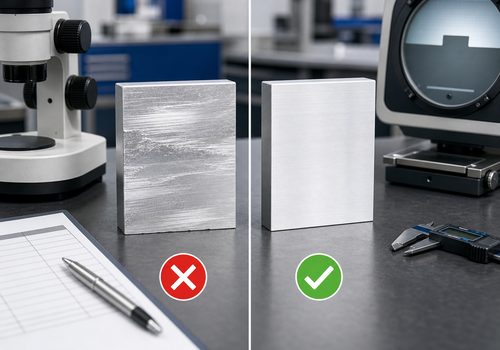
Built-up edge should be identified early during production.
Inspection should include:
- Visual surface check
- Burr check
- Dimensional inspection
- Tool edge inspection
- Chip shape review
- Surface roughness check if required
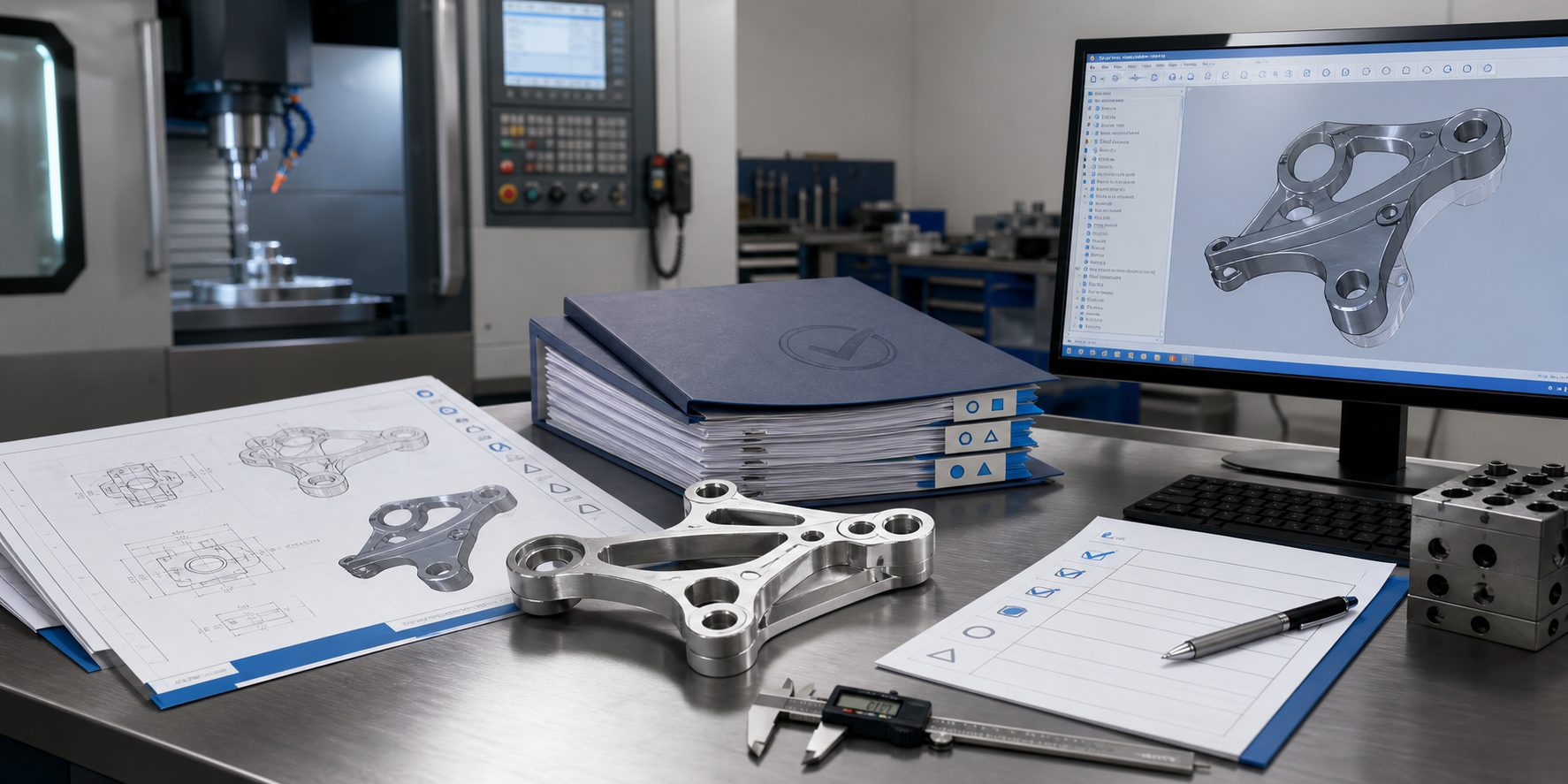
- First article inspection for critical parts
A poor surface finish may not always be caused by built-up edge. It can also come from vibration, poor fixturing, incorrect toolpath, or tool wear. However, if aluminum is visible on the cutting edge, built-up edge is likely part of the problem.
Practical Troubleshooting Checklist
If built-up edge appears during pure aluminum machining, review the process in this order:
- Check whether the tool is sharp
- Confirm the tool is suitable for aluminum
- Inspect flute polishing and chip clearance
- Increase cutting speed if conditions allow
- Avoid feed rates that cause rubbing
- Improve coolant or lubrication delivery
- Remove chips from the cutting zone
- Reduce tool runout
- Shorten tool stick-out if possible
- Improve fixture rigidity
- Review finishing pass strategy
- Replace the tool if aluminum is welded to the edge
This checklist helps identify the root cause instead of only adjusting one parameter blindly.
Example: CNC Machining a Pure Aluminum Motorcycle Cover
A customer requests a CNC machined pure aluminum decorative cover. The part has a visible surface and requires a clean machined finish before brushing or anodizing.
If built-up edge occurs, the surface may show smeared tool marks and uneven reflection. The part may still meet basic dimensions, but the cosmetic quality may not be acceptable.
A better process would include:
- Polished aluminum-specific end mill
- Stable chip load
- Effective coolant or mist lubrication
- Clean chip evacuation
- Controlled finishing pass
- Surface inspection before post-processing
For cosmetic aluminum parts, preventing built-up edge is not only a machining issue. It is part of final product quality control.
FAQ
What causes built-up edge when machining pure aluminum?
Built-up edge is mainly caused by aluminum sticking to the cutting edge because of heat, friction, poor tool geometry, dull tools, low cutting speed, light feed, or poor chip evacuation.
What tool is best for machining pure aluminum?
Sharp polished carbide tools with aluminum-specific geometry are usually preferred. Large chip clearance and smooth flutes help reduce aluminum adhesion.
Does coolant help prevent built-up edge?
Yes. Coolant or lubrication helps reduce heat and friction and supports chip evacuation. The fluid must reach the cutting edge to be effective.
Can cutting speed affect built-up edge?
Yes. Cutting speed that is too low may increase the chance of aluminum sticking to the tool. Parameters should be selected based on the tool, machine, operation, and part geometry.
How do I know if built-up edge is happening?
Common signs include rough or smeared surface finish, burrs, inconsistent dimensions, unstable cutting sound, poor chip formation, and aluminum material stuck to the tool edge.
Conclusion
Built-up edge is a common challenge when machining pure aluminum, but it can be controlled with the right process.
The most effective approach is to use sharp polished tools, maintain proper cutting speed and feed, keep chips away from the cutting zone, apply effective coolant or lubrication, and inspect tool condition regularly.
For custom CNC machined aluminum parts, especially visible motorcycle brackets, covers, spacers, clamps, and adapters, preventing built-up edge helps improve surface quality, dimensional consistency, and production reliability.