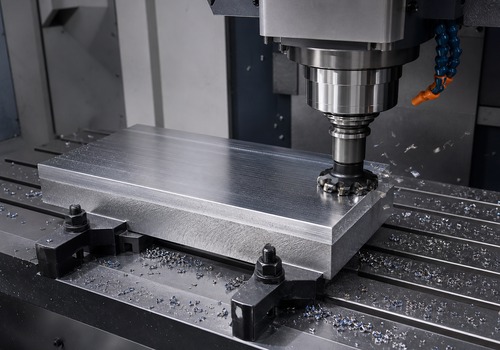
Duplex stainless steel is valued for its combination of strength, corrosion resistance, and durability. It is used in demanding environments where ordinary stainless steel may not provide enough mechanical performance.
However, duplex stainless steel is not machined the same way as mild steel, aluminum, or even many standard stainless steels. Its higher strength, lower thermal conductivity, and tendency to work harden require a more controlled CNC cutting strategy.
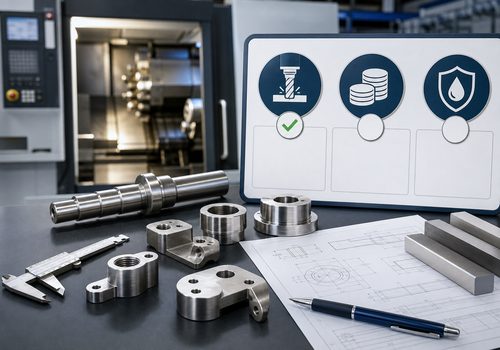
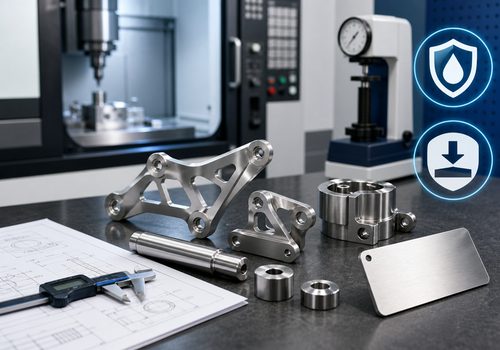
For precision CNC components such as brackets, shafts, spacers, clamps, bushings, adapters, and corrosion-resistant hardware, the machining process must be planned carefully from the start.
Why Duplex Stainless Steel Requires a Different Cutting Strategy
Duplex stainless steel has a mixed microstructure that gives it high strength and good corrosion resistance. These advantages also make it more difficult to machine.
Compared with common stainless steels, duplex stainless steel often creates:
- Higher cutting forces
- More heat at the cutting edge
- Greater tool wear
- Higher risk of work hardening
- Tougher chip formation
- More demanding coolant requirements
- Greater need for rigid workholding
If the same strategy used for easier stainless steels is applied without adjustment, the result may be poor surface finish, shorter tool life, dimensional variation, and unstable production.
1. Use Rigid Workholding and Short Tool Overhang
Duplex stainless steel generates higher cutting forces. Weak setups increase vibration, tool deflection, and surface marks.
Before adjusting speed or feed, confirm that the setup is stable.
Good setup practices include:
- Use rigid fixtures
- Minimize tool overhang
- Use high-quality tool holders
- Check spindle and holder runout
- Clamp the workpiece securely
- Support thin or long features where possible
- Avoid flexible fixturing for heavy roughing
A rigid setup allows the tool to cut consistently instead of rubbing the material.
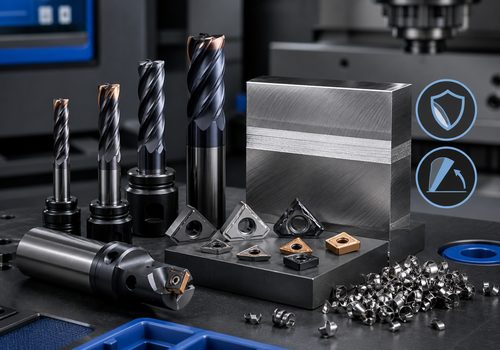
2. Choose Tools Designed for Tough Stainless Steel
Tool choice is critical when machining duplex stainless steel.
The cutting tool must handle heat, pressure, and abrasive wear. General-purpose tools may wear too quickly or create unstable cutting conditions.
Recommended tool features include:
- Tough carbide substrate
- Suitable coating for stainless steel
- Strong cutting edge
- Positive but stable geometry
- Reliable chip breaker
- Good heat resistance
- Proper flute design for chip evacuation
For milling, use tools that can maintain edge strength under interrupted cuts. For turning, choose inserts that balance sharp cutting action with edge toughness.
3. Avoid Rubbing and Work Hardening
Work hardening is one of the biggest problems in duplex stainless steel machining. If the tool rubs instead of cutting, the surface becomes harder. The next pass then becomes more difficult, increasing tool wear and heat.
To reduce work hardening:
- Maintain a real chip load
- Avoid extremely light cuts
- Keep the tool engaged consistently
- Do not dwell in one place
- Use sharp tools
- Replace worn tools early
- Avoid repeated spring passes unless necessary
- Keep feed stable through corners and transitions
A controlled cut is better than a weak cut that only polishes the surface.
4. Control Heat at the Cutting Zone
Duplex stainless steel does not conduct heat away from the cutting zone as easily as aluminum or carbon steel. More heat stays near the tool edge.
Excessive heat can cause:
- Rapid tool wear
- Poor surface finish
- Dimensional drift
- Built-up edge in some conditions
- Edge chipping
- Work hardening
- Shorter tool life
The cutting strategy should focus on removing heat through chips and coolant. Cutting parameters should be selected to avoid excessive rubbing, long tool contact, and overloaded cutting edges.
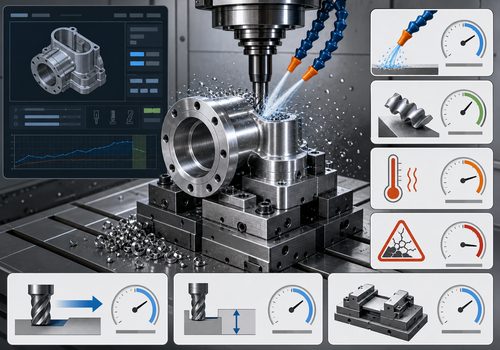
5. Adjust Speeds and Feeds Conservatively
Duplex stainless steel usually requires more conservative cutting parameters than easier materials.
The exact values depend on tool type, machine rigidity, coolant, operation, and material grade. However, the general approach is clear:
- Do not run too fast if heat becomes uncontrolled
- Do not feed too lightly and cause rubbing
- Use stable chip load
- Reduce aggressive radial engagement if tool wear is high
- Avoid sudden feed drops in corners
- Match feed rate to tool diameter and flute count
For production parts, start with tool supplier recommendations and adjust based on tool wear, chip shape, sound, surface finish, and dimensional stability.
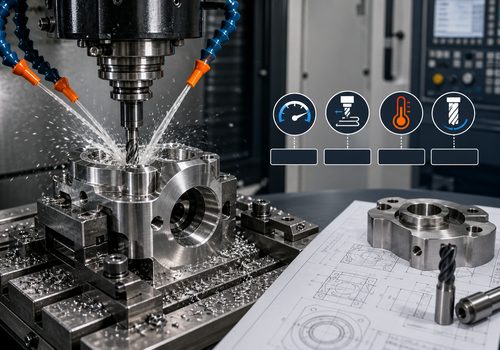
6. Use Strong Coolant Delivery
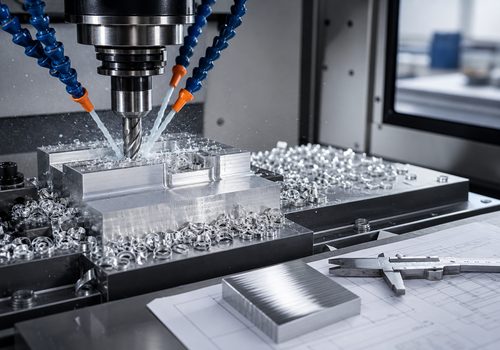
Coolant is not optional for most duplex stainless steel machining operations. It helps control heat, reduce friction, flush chips, and stabilize tool life.
Effective coolant use should focus on:
- Directing coolant at the cutting edge
- Using enough flow and pressure
- Clearing chips from pockets and holes
- Avoiding chip recutting
- Keeping temperature more stable
- Supporting drilling and deep features
In deep holes, pockets, and slots, coolant must reach the tool-workpiece interface. Coolant that only wets the top surface may not solve the problem.
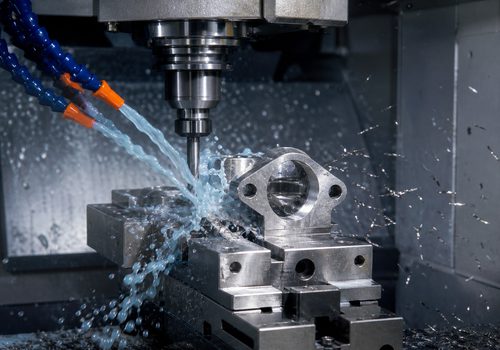
7. Improve Chip Control
Duplex stainless steel chips can be tough and difficult to break. Poor chip control can damage the surface, wear the tool, or interfere with the next pass.
Better chip control can be achieved by:
- Using suitable chip breakers
- Maintaining correct feed
- Avoiding overly light cuts
- Using coolant to push chips away
- Programming toolpaths that avoid chip packing
- Clearing deep pockets before finishing
For precision CNC parts, chip evacuation is directly related to surface finish and dimensional consistency.
8. Separate Roughing and Finishing Strategies
Roughing and finishing should not use the same logic.
For roughing, the goal is controlled material removal without overheating or overloading the tool. For finishing, the goal is stable surface quality and accurate dimensions.
A practical approach:
- Rough with stable engagement
- Leave consistent finishing allowance
- Avoid work hardening before finishing
- Use a fresh or well-controlled finishing tool
- Keep finishing chip load stable
- Inspect surface finish after first article
If roughing causes hard spots or tool marks, finishing becomes more difficult.
9. Watch Tool Wear Closely
Tool wear can accelerate quickly when cutting duplex stainless steel. A tool may look acceptable at first but then lose edge quality fast once heat and work hardening increase.
Common signs of tool wear include:
- Poor surface finish
- Burr formation
- Dimensional drift
- Louder cutting sound
- Higher spindle load
- Shorter chip color changes
- Chipped cutting edge
- More vibration
For repeat production, tool life should be tracked. Replacing tools on a controlled schedule is usually better than waiting until parts fail inspection.
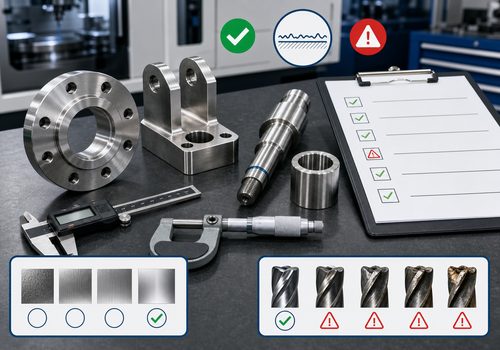
10. Define Inspection Requirements Clearly
Duplex stainless steel parts are often used in demanding applications, so inspection should be clear before production.
Inspection may include:
- Critical dimension measurement
- Thread inspection
- Surface finish check
- Burr inspection
- Hardness or material verification when required
- First article inspection
- Final visual inspection
- Packaging protection for finished surfaces
For precision brackets, shafts, spacers, clamps, and adapters, inspection should focus on functional features and assembly-critical dimensions.
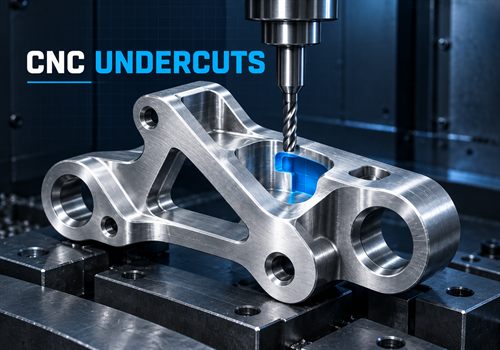
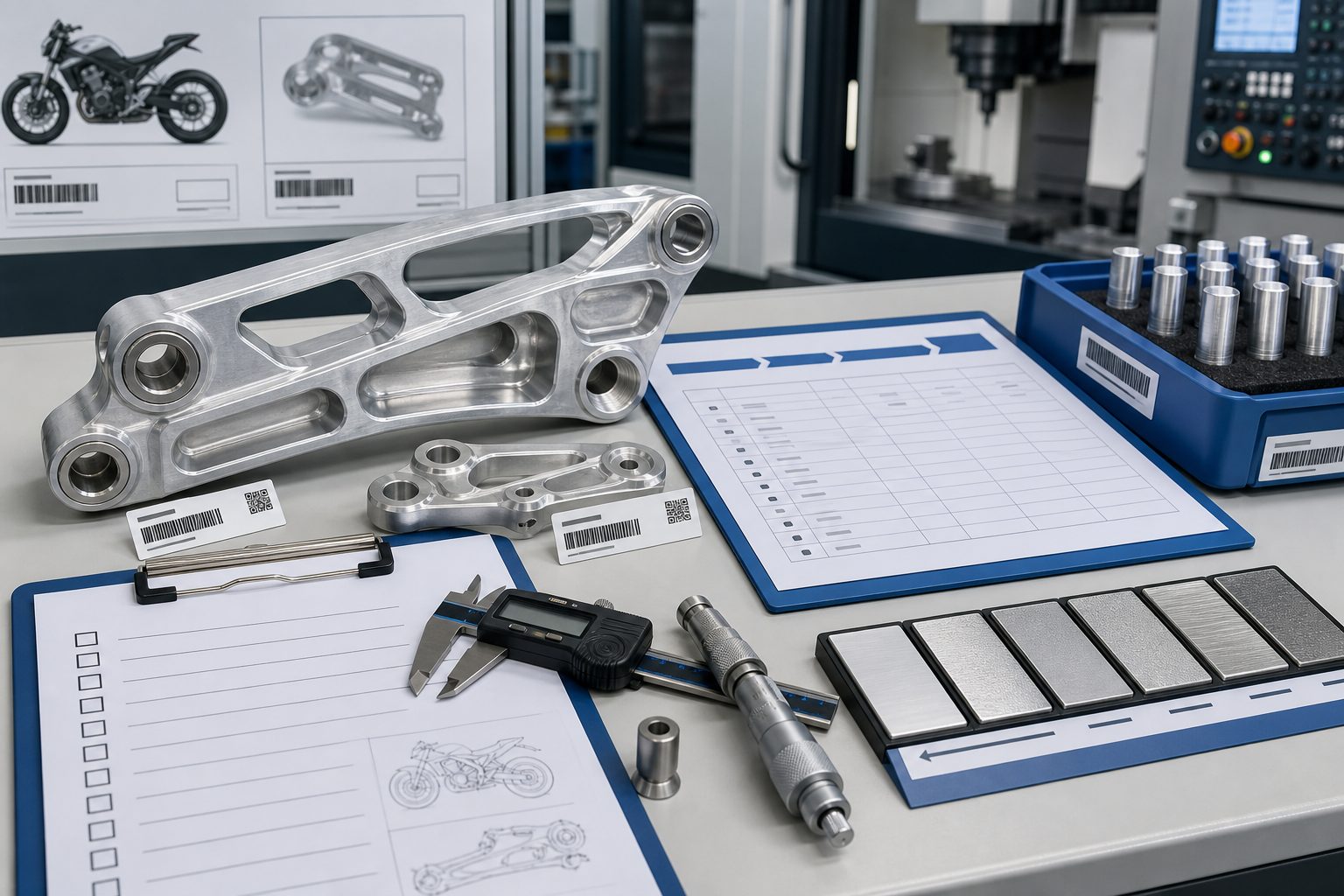
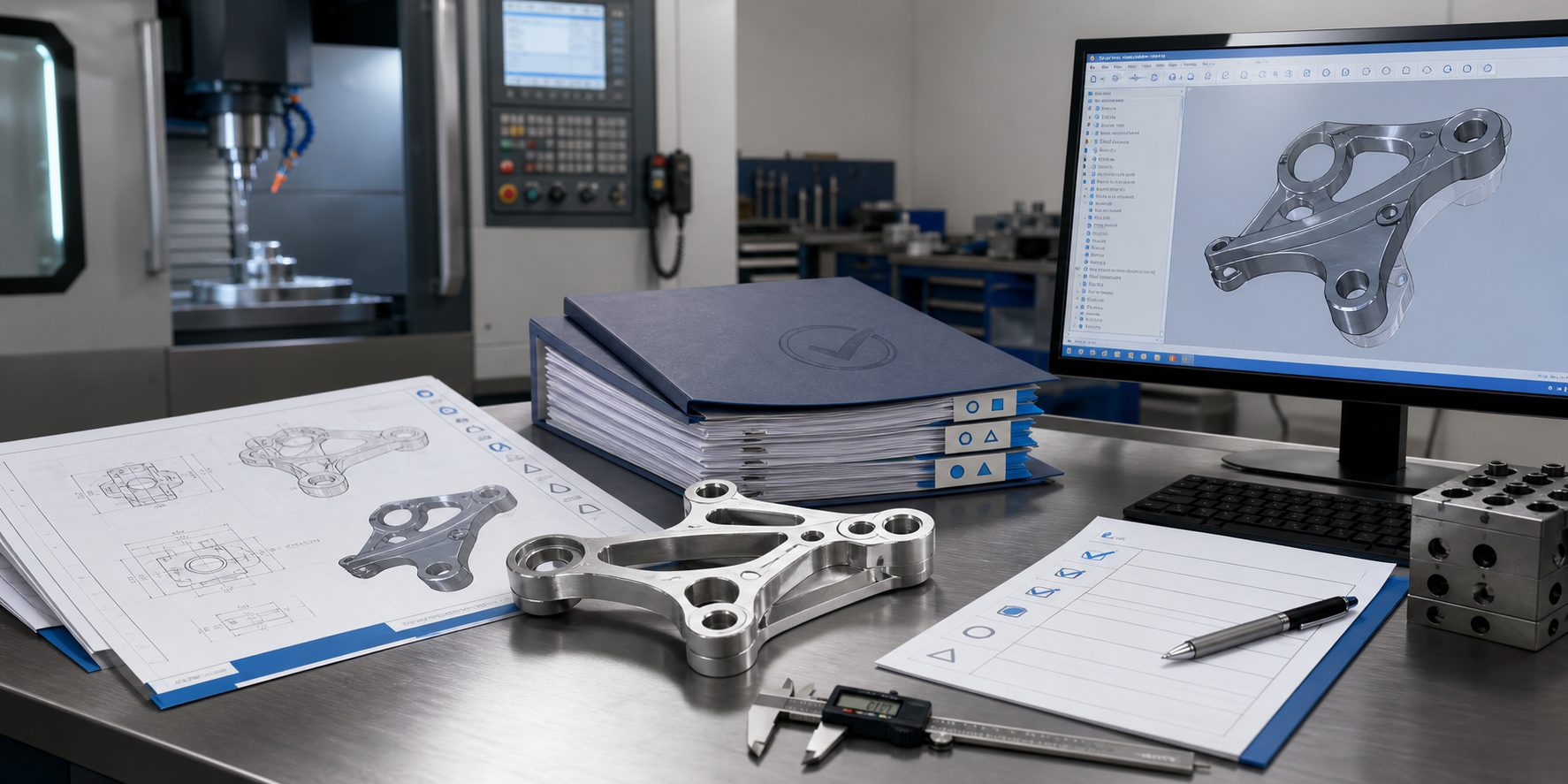
Example: CNC Machining a Duplex Stainless Steel Mounting Bracket
A duplex stainless steel mounting bracket may require tight hole positions, good surface finish, and strong corrosion resistance.
A suitable machining plan may include:
- Rigid fixture with minimal vibration
- Stainless-steel-specific carbide tooling
- Stable roughing engagement
- Strong coolant flow
- Avoidance of light rubbing passes
- Consistent finishing allowance
- Tool wear monitoring
- Final inspection of holes, threads, and surfaces
If the same part were machined with aluminum-style parameters, tool wear and heat would likely become unacceptable.
Practical Checklist for Duplex Stainless Steel CNC Machining
Before machining duplex stainless steel, review:
- Is the workholding rigid enough?
- Is tool overhang minimized?
- Is the tool designed for tough stainless steel?
- Is coolant reaching the cutting edge?
- Is chip load high enough to avoid rubbing?
- Are feeds stable through corners?
- Is heat under control?
- Are chips being evacuated properly?
- Is tool wear monitored?
- Is finishing allowance consistent?
- Are inspection requirements clearly defined?
This checklist helps reduce trial-and-error during production.
FAQ
Is duplex stainless steel difficult to machine?
Yes. Duplex stainless steel is more difficult to machine than many common stainless steels because it has higher strength, tougher chips, lower thermal conductivity, and a tendency to work harden.
What is the biggest machining risk with duplex stainless steel?
The main risks are work hardening, tool wear, heat buildup, vibration, and poor chip control.
Should cutting speed be reduced for duplex stainless steel?
Often yes, compared with easier materials. Cutting speed should be selected based on tool supplier guidance, machine rigidity, coolant, and actual tool wear results.
Why is coolant important when machining duplex stainless steel?
Coolant helps control heat, reduce friction, flush chips, and stabilize tool life. It is especially important for deep pockets, holes, and heavy machining.
Can duplex stainless steel be used for precision CNC components?
Yes. Duplex stainless steel can be used for precision CNC components when the machining process is properly controlled and inspection requirements are clearly defined.
Conclusion
Cutting strategies for duplex stainless steel must change because the material is stronger, tougher, and more prone to heat and work hardening than many standard materials.
A reliable strategy should use rigid workholding, suitable carbide tooling, controlled speeds and feeds, strong coolant delivery, effective chip evacuation, and close tool wear monitoring.
For custom CNC machined stainless steel components such as brackets, shafts, spacers, clamps, bushings, and adapters, the right machining strategy improves surface quality, dimensional consistency, and production reliability.