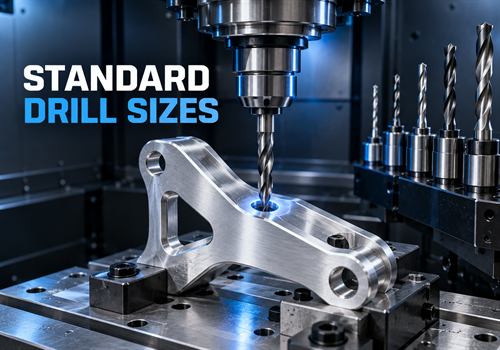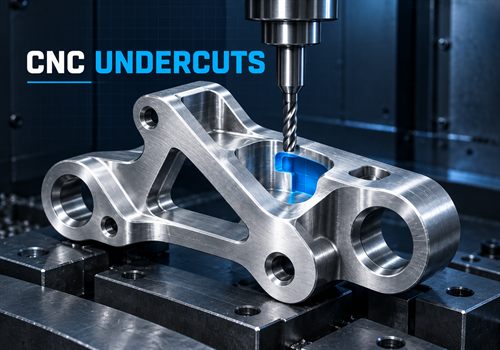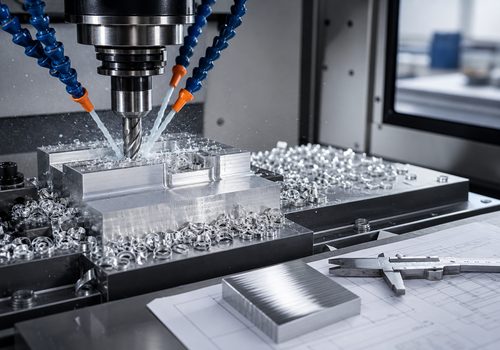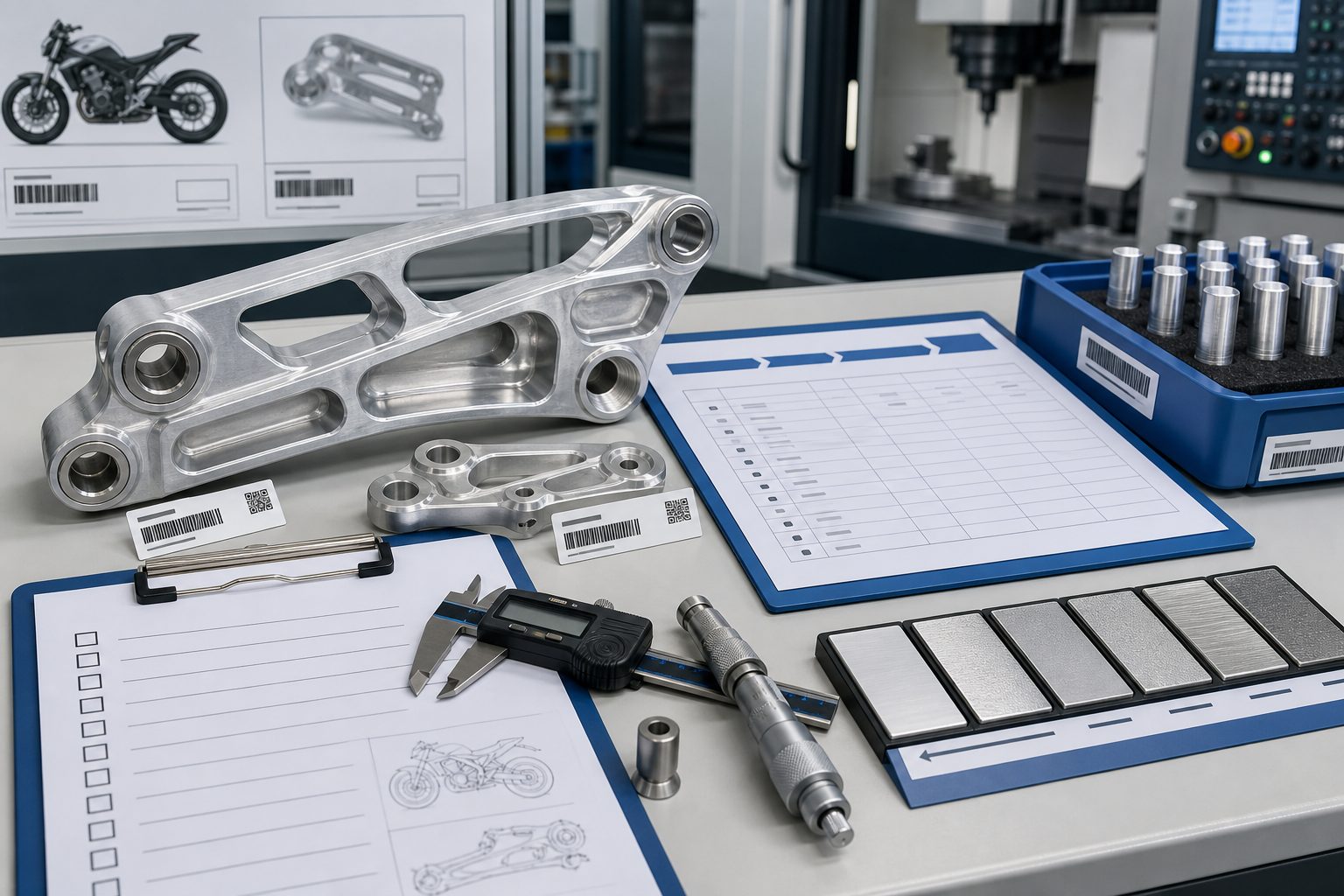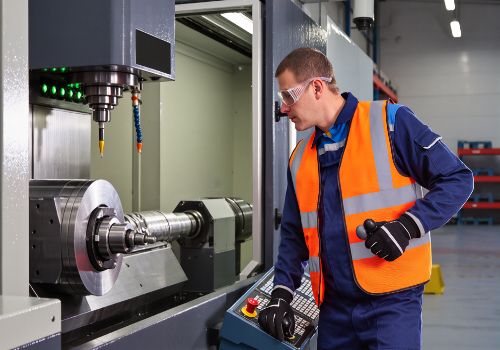
High-Speed Machining (HSM) is a manufacturing strategy that utilizes significantly higher spindle speeds (typically 15,000 to 40,000+ RPM) combined with lighter depths of cut and faster feed rates to improve productivity, surface finish, and tool life. Unlike conventional machining that focuses on heavy material removal, HSM prioritizes high cutting velocities and optimized toolpaths that maintain constant tool engagement, distributing heat into chips rather than the workpiece and reducing cutting forces for more stable, precise operations.
Introduction: The Evolution of Machining
The concept of high-speed machining traces back to 1924, when Dr. Carl J. Salomon conducted a series of groundbreaking experiments. He discovered that as cutting speeds increased beyond a certain point, cutting forces and temperatures paradoxically began to decrease rather than continue rising . This counterintuitive finding—that faster could actually be cooler and more efficient—laid the foundation for what would become one of manufacturing’s most transformative technologies.
Fast forward a century, and HSM has evolved from a theoretical curiosity into an essential capability for precision manufacturers worldwide . From aerospace components and medical implants to injection molds and electronics housings, HSM enables the production of complex parts with surface finishes and accuracies that conventional machining simply cannot match.
But what exactly makes HSM different from standard machining? And more importantly, when should you deploy this powerful technology in your operations?
What Is High-Speed Machining? Defining the Core Principles
At its heart, high-speed machining is defined not by a specific RPM number but by a fundamental shift in machining philosophy. Where conventional machining takes deep, heavy cuts at lower speeds, HSM takes shallow, light cuts at much higher speeds and feed rates.
The table below captures the core differences:
| Characteristic | Conventional Machining | High-Speed Machining (HSM) |
|---|---|---|
| Spindle Speed | 5,000 – 15,000 RPM | 15,000 – 40,000+ RPM |
| Depth of Cut | Deep (aggressive material removal) | Shallow (light, layered passes) |
| Chip Load | Heavy chip formation | Reduced, consistent chip load |
| Heat Management | Heat builds in workpiece and tool | Heat carried away with chips |
| Cutting Forces | High forces, tool deflection risk | Low, consistent cutting forces |
| Primary Goal | Maximum material removal per pass | Speed, precision, and surface quality |
The theoretical foundation of HSM rests on several interconnected principles:
The Heat Paradox
One of the most counterintuitive aspects of HSM is that machining faster can actually keep the tool and workpiece cooler. The explanation lies in the physics of chip formation. When a cutting tool engages material at extremely high speeds, the heat generated by deformation and friction has less time to conduct into the tool or workpiece. Instead, the vast majority of thermal energy is carried away with the chips as they are rapidly ejected from the cutting zone.
In practice, experienced machinists monitor chip color as an indicator of effective heat management. When machining hardened steels, chips that appear blue or purple indicate that heat is successfully transferring into the chip rather than being retained in the part.
The Chip Load Balance
HSM works best when chip load is optimized—neither too heavy nor too light. A larger feed per tooth will leave a rough surface finish, while feeds that are too slow can cause rubbing, which generates heat and degrades surface quality . The “sweet spot” produces consistent, manageable chips that evacuate easily and carry heat away from the cutting zone.
Reduced Cutting Forces
Because HSM uses shallower depths of cut and maintains constant tool engagement, cutting forces remain lower and more consistent than in conventional machining. This reduces tool deflection, minimizes vibration, and enables tighter tolerances.
The Critical Difference: HSM vs. HPM
A common misconception is conflating high-speed machining with high-performance machining (HPM) . While both aim to improve productivity, they achieve it through different means:
-
High-Performance Machining (HPM) focuses on high chip removal rates using trochoidal (circular cutting) toolpaths with long tool engagement. The emphasis is on maximizing material removal per unit of time, even at moderate speeds .
-
High-Speed Machining (HSM) emphasizes higher spindle speeds and faster feed rates with lighter cuts. The goal is achieving superior surface finishes and precision while maintaining productivity through speed rather than depth .
In practice, these approaches can complement each other. Many shops use HPM for roughing operations to remove bulk material efficiently, then switch to HSM for finishing passes that require exceptional surface quality.
Essential Requirements for Successful HSM
Deploying HSM is not simply a matter of increasing spindle speed on an existing machine. The technology demands a complete, integrated system where every component is optimized for high-speed operation . Think of it like a racing car—a powerful engine alone is worthless without proper tires, suspension, brakes, and aerodynamics.
1. High-Speed Spindles
The spindle is the heart of any HSM system. HSM spindles typically operate between 15,000 and 40,000 RPM, with some specialized applications reaching 90,000 RPM or higher . These spindles incorporate advanced bearing systems and cooling solutions—either liquid cooling or air blast systems—to manage the thermal loads generated at high speeds.
2. Machine Rigidity and Vibration Damping
At high speeds, even microscopic vibrations translate directly into poor surface finish and accelerated tool wear. HSM-dedicated machines feature robust frames, often constructed with polymer granite bases that absorb vibration before it can affect the cutting process . Linear guideways enable faster acceleration and deceleration than traditional box ways, though careful design is required to maintain rigidity.
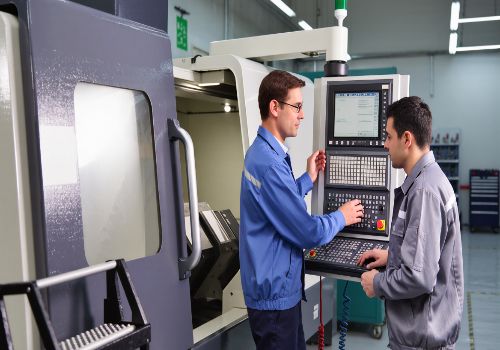
3. High-Speed CNC Controllers
Standard CNC controls lack the processing power to handle the complex calculations required for HSM toolpaths. HSM-specific controllers feature:
-
Look-ahead functions that anticipate upcoming toolpath changes
-
High-speed block processing to maintain feed rates through complex geometries
-
Real-time adjustment capabilities to optimize cutting conditions on the fly
4. Precision Toolholding and Balancing
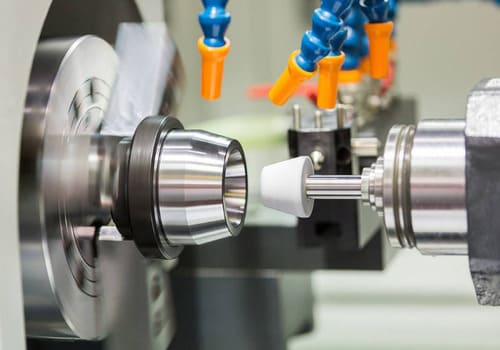
At 30,000 RPM, even a microscopic imbalance in the toolholder can generate destructive vibration. HSM demands precision-balanced toolholders with minimal runout. Hydraulic chucks and shrink-fit holders are preferred over conventional collet chucks for their superior grip and balance characteristics.
5. Optimized Tooling
The cutting tool itself must be designed for HSM operation. Characteristics include:
-
Sharp cutting edges for clean shearing action
-
Appropriate coatings (TiAlN, AlTiN) to manage heat and reduce friction
-
Balanced geometry with reduced flute counts for chip evacuation
6. Advanced CAM Software with HSM Strategies
Perhaps the most critical enabler of HSM is the CAM software that generates optimized toolpaths. Traditional toolpaths create sudden changes in tool engagement that lead to force spikes, heat buildup, and vibration. HSM-specific CAM strategies address these challenges through:
Adaptive (or “Constant Load”) Toolpaths
Adaptive toolpaths dynamically adjust stepover to maintain consistent chip load regardless of part geometry. The tool engages at an optimal angle and stays engaged continuously, avoiding the sudden force spikes that cause tool failure and chatter.
Trochoidal Milling
Trochoidal toolpaths use circular, looping movements to cut pockets and slots. This strategy reduces radial engagement while maintaining axial depth, allowing the tool to cut efficiently without overheating or deflecting.
Smooth Transitions
HSM toolpaths are designed with rounded corners and gradual directional changes rather than sharp stops and starts. This reduces mechanical shock to the machine, extends component life, and improves surface finish.
The Benefits: Why Adopt HSM?
Dramatic Cycle Time Reduction
By enabling faster feed rates and more efficient toolpaths, HSM can reduce machining time by six to ten times compared to conventional methods . In one documented case study, a high-speed spindle reduced machining time by 100% compared to a standard CNC spindle—cutting cycle times in half.
Superior Surface Finish
HSM produces finer, more consistent surface finishes by minimizing vibration and maintaining constant cutting conditions. For industries where surface quality is critical—aerospace, medical devices, optics, and mold making—this capability is transformative.
Extended Tool Life
Counterintuitively, the lighter cuts and reduced heat generation of HSM often extend tool life compared to conventional machining. Tools are less likely to experience thermal shock, and the consistent chip load reduces mechanical stress on cutting edges.
Ability to Machine Thin Walls and Delicate Features
HSM’s low cutting forces make it ideal for thin-walled components that would deflect or chatter under conventional machining. Parts with 0.5 mm wall thickness become not just possible but practical.
Reduced Secondary Operations
The superior surface finish achievable with HSM often eliminates the need for subsequent polishing or finishing operations, reducing overall production costs and lead times.
When Should You Use High-Speed Machining?
HSM is not a universal solution. Its advantages are most pronounced in specific applications:
Ideal Applications for HSM
| Application | Why HSM Excels | Typical Industries |
|---|---|---|
| Complex 3D Contours | Maintains constant tool engagement across complex surfaces | Mold & die, aerospace |
| Hardened Materials (45-65 HRC) | Light passes prevent edge chipping; heat carried away in chips | Tool & die, aerospace |
| Thin Walls and Ribs | Low cutting forces prevent deflection | Aerospace, medical, electronics |
| Small-Diameter Tools (<6mm) | Achieves proper cutting speed with small tools | Medical, micro-machining |
| High-Value Precision Parts | Superior surface finish; reduced risk of scrap | Medical implants, optical components |
| Deep Cavities | Shorter, more rigid tools maintain access | Mold making, aerospace |
When HSM May Not Be the Best Choice
HSM is less beneficial in these scenarios:
-
Large, simple parts where high material removal rates matter more than surface finish
-
Applications requiring very large diameter tools that cannot achieve necessary speeds on standard spindles
-
Low-volume, non-critical parts where setup time for HSM optimization cannot be amortized
-
Shops lacking HSM-capable machines, tooling, or CAM software—the system requirements are substantial
Material Considerations in HSM
Different materials respond differently to HSM strategies:
Aluminum Alloys
Aluminum is exceptionally well-suited to HSM. Recommended parameters include axial depths of 1.5 to 2 times tool diameter and radial stepovers up to 30-50% of tool diameter . Cutting speeds can reach 5,000 m/min with proper tooling . HSM enables aluminum wall thicknesses as low as 0.5 mm.
Hardened Steels (45-65 HRC)
HSM excels at finishing hardened steels where conventional machining struggles. Recommended approach uses full axial depth (to the tool’s cutting length) with radial stepover limited to 5% of tool diameter . Heat management is critical—chips should show blue/purple coloration indicating proper heat evacuation.
Titanium Alloys
HSM can be effective for titanium when properly implemented. The key is maintaining constant tool engagement to prevent work hardening, using high-pressure through-spindle coolant for heat evacuation, and limiting radial engagement while using full axial depth.
Stainless Steels
HSM offers advantages for stainless steel finishing, though material work hardening requires careful parameter selection. Conservative chip loads and consistent engagement are essential.
Common Misconceptions About HSM
Several persistent myths surround high-speed machining:
“HSM just means a faster spindle”
This is perhaps the most damaging misconception. HSM is a complete system requiring optimized tooling, control, CAM strategies, and machine dynamics—not merely high RPM capability.
“Higher RPM always means faster machining”
Without appropriate feed rates, toolpaths, and chip loads, high spindle speeds can actually reduce productivity by causing rubbing, heat buildup, and premature tool failure.
“HSM replaces conventional machining”
HSM complements rather than replaces conventional approaches. Many optimal workflows use HPM for roughing to remove bulk material, then HSM for finishing to achieve superior surface quality.
“Any CAM software can generate HSM toolpaths”
Effective HSM requires specialized CAM strategies—adaptive clearing, trochoidal milling, and constant-load toolpaths—that are not available in basic CAM packages.
The Future of HSM: 2026 and Beyond
As we look toward 2026, several trends are shaping the evolution of high-speed machining:
AI-Enhanced Process Optimization
Artificial intelligence is increasingly integrated into CAM systems, enabling automatic toolpath optimization, predictive tool wear modeling, and real-time error detection.
Thermal Stability Innovations
As speeds increase, managing heat becomes even more critical. Next-generation machines incorporate advanced thermal compensation systems and cooling strategies to maintain accuracy at high speeds.
Compact, High-Output Machine Designs
Manufacturers are developing HSM machines with smaller footprints that deliver exceptional performance without consuming extensive floor space—critical for shops with space constraints.
Smart Controls with Predictive Capabilities
Enhanced user interfaces, faster tool management, deeper process monitoring, and predictive maintenance capabilities are being leveraged to support high-speed machining operations.
Conclusion: HSM as a Strategic Capability
High-speed machining represents a fundamental shift in how precision components are manufactured. It is not merely a faster way to cut metal—it is a comprehensive strategy that integrates machine design, control technology, tooling, CAM software, and process knowledge into a unified system.
The decision to adopt HSM should be strategic rather than tactical. For shops producing complex, high-value parts requiring exceptional surface finishes and tight tolerances, HSM offers a compelling competitive advantage. For those primarily machining large, simple components where material removal rate dominates, conventional approaches may remain more appropriate.
What is clear is that HSM is not a passing trend. As part geometries become more complex, material requirements more demanding, and delivery windows tighter, the capabilities offered by high-speed machining will only grow in importance. The shops that master this technology will be well-positioned to capture high-value work in aerospace, medical, mold making, and beyond.
Ready to explore how high-speed machining can transform your precision component production? Contact our applications engineering team for a consultation on integrating HSM strategies into your manufacturing workflow.